Editorial Guide
The city guide that helps you decide whether this stop fits the trip.
Reading Time
9 min guide
Best Use
Use this as a slower city chapter, not a checklist.
Article Map
Visual Preview
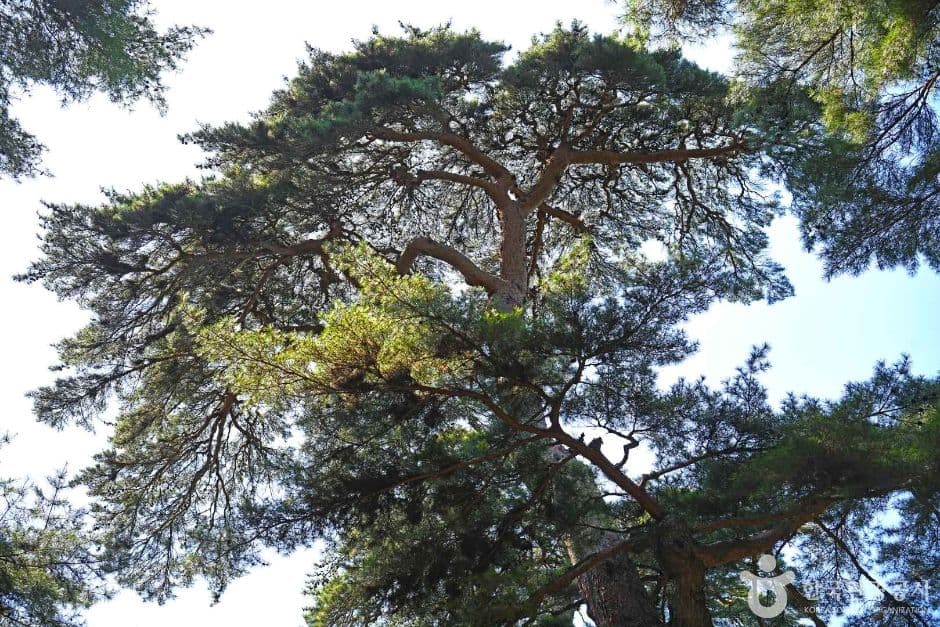
Opening image
Yeongwol Travel Guide — Road To Korea at a glance
A river-locked history city where King Danjong memory, film-driven travel, and Gangwon inland scenery converge.
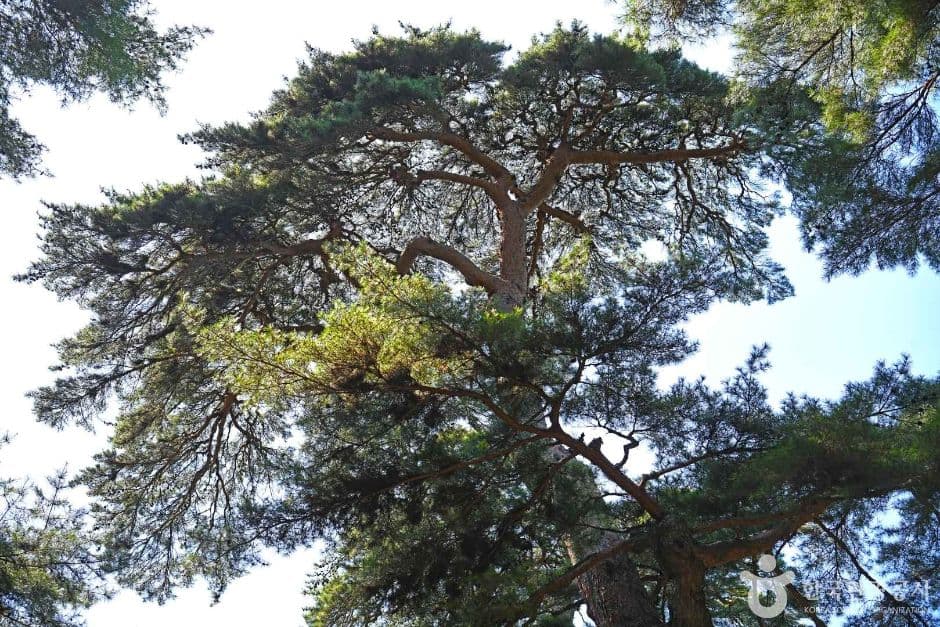
Exile landscape
Cheongnyeongpo should feel beautiful and trapped at the same time
Cheongnyeongpo is the strongest visual argument for Yeongwol. Three sides of river and the enclosed terrain make Danjong history easier to understand without overexplaining it.
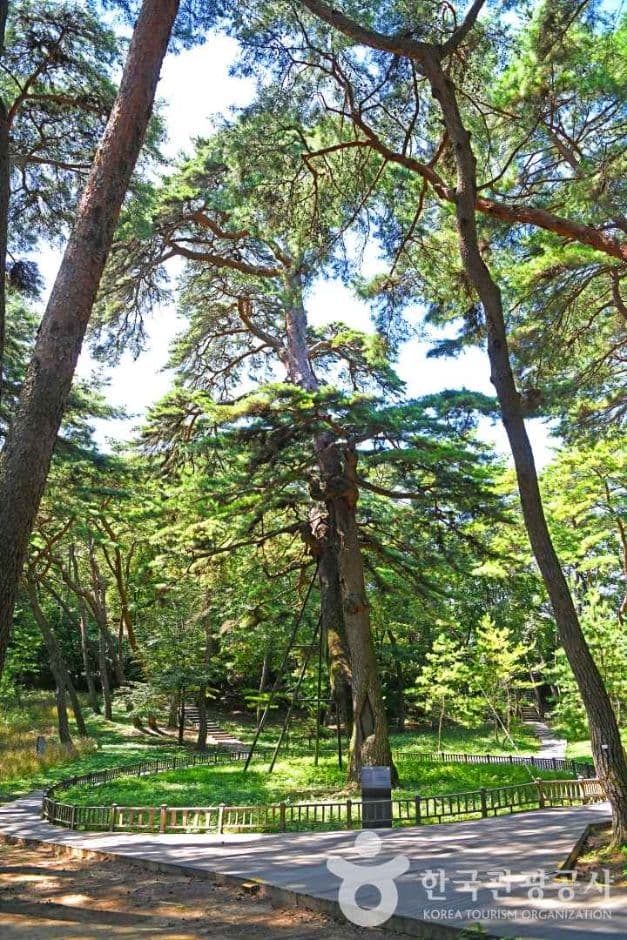
Royal memory
Jangneung keeps the film trend anchored in actual history
The page needs the royal-tomb layer because film attention should point back to the real historical site rather than float as a pop-culture reference alone.
From Seoul
How to reach Yeongwol Travel Guide — Road To Korea without overcomplicating the route.
Best Choice
Route guidance
Pick the route that preserves energy on arrival instead of chasing tiny time savings.
Travel Window
Timing in progress
The calmer transfer is usually the better one when the point is to stay deeper.
Slow Travel Note
Treat the move from Seoul as part of the travel mood, not just a logistics problem.
Local Support Map
Where Yeongwol turns the inland branch into a story
Yeongwol is the emotional payoff of the short inland branch. Wonju gives the line a hinge, Jecheon gives it lake-and-mountain transition, and Yeongwol gives it Danjong, rivers, film attention, and preservation tension.
Cheongnyeongpo
The exile landscape that gives Yeongwol its emotional core and explains why the film trend lands here.
Jangneung Royal Tomb
The tomb site that keeps Danjong memory grounded in actual place rather than only screen emotion.
Yeongwol town stay grid
The easiest base for food, transit, Cheongnyeongpo, Jangneung, and practical movement around the county.
Byeolmaro Observatory
The nightscape anchor that lets Yeongwol move beyond daytime heritage into an overnight-worthy stop.
Wonju-Jecheon-Yeongwol branch handoff
The route concept that makes Yeongwol the emotional end of a compact inland branch instead of a disconnected side trip.
Route Role
On the Wonju-Jecheon-Yeongwol short branch, Yeongwol is where the route stops being only scenic inland movement and becomes a story about exile, memory, river geography, and how pop culture can send people back into a real historical place.
Support Summary
Yeongwol works best as an emotional history stop. Cheongnyeongpo, Jangneung, Danjong Culture Festival, Donggang and Seogang scenery, Byeolmaro Observatory, and the 2026 Wang-gwa Saneun Namja film trend make it feel current without erasing the older sorrow.
Past and Present
Yeongwol matters because its older story and present life both change how this route feels.
Historical Weight
Yeongwol carries one of Joseon history's most emotional stories: King Danjong's exile at Cheongnyeongpo, his death in Yeongwol, Jangneung Royal Tomb, and the loyalty memory around figures such as Eom Heung-do. The landscape itself explains the sorrow.
Modern Identity
Modern Yeongwol is being re-read through film, festival energy, river landscapes, observatory travel, and renewed attention to Danjong sites after the success of Wang-gwa Saneun Namja. The city now sits where history, screen culture, and preservation pressure meet.
Route Meaning
On Branch 2A, Yeongwol is the emotional history chapter before the route deepens into Jeongseon and Taebaek. Wonju provides the hinge, Jecheon gives lake-and-mountain transition, and Yeongwol turns the trip into a story about exile, rivers, memory, and how popular culture can reactivate a local place.
Stay Logic
Stay near the Yeongwol town core when the goal is Cheongnyeongpo, Jangneung, food, and easy movement. Push toward the river and observatory side when the overnight should feel more landscape-led and reflective.
Food Logic
Food should support the heritage walk rather than dominate the page. Keep it local, practical, and slow enough for travelers who may be moving between Danjong sites, riverside views, and evening observatory plans.
Next Leg
After Yeongwol, the branch can either loop back toward Jecheon or become a deeper Gangwon inland journey. The important thing is that Yeongwol should feel like the emotional high point, not just the final dot on a side route.
Where To Stay
Choose the stay zone that matches the route you want tomorrow.
These zones are not generic hotel advice. They are the clearest overnight shapes for keeping this stop aligned with the rest of Route 1.
Keep the town-core history stay
Best For
Danjong sites, practical food, and low-friction movement.
This is the cleanest base when the page is built around Cheongnyeongpo, Jangneung, and the film-revival route.
Move toward river scenery
Best For
Travelers who want the branch to feel like landscape as much as history.
The river side makes the exile geography easier to feel and gives the route a slower visual register.
Plan around the observatory
Best For
Overnight travelers, photographers, and anyone using Yeongwol as a reflective branch ending.
The observatory gives the stop a reason to stay after the history sites close and turns the branch into a full day-to-night chapter.
Stay Planning Fit
Where to stay in Yeongwol Travel Guide — Road To Korea depends on what the next leg needs.
Strongest stay-planning angle: one town-core history stay group, one riverside landscape group, and one observatory-night group for travelers who want the branch to end under a darker sky.
Stay planning
Sleep in Yeongwol Travel Guide — Road To Korea
If this stop becomes an overnight, compare a couple of booking platforms before you lock it in. Route logic gets better when the right city earns a real stay.
Decision Pattern
Follow the Danjong sites
Travelers coming because of history, the film trend, or a desire to understand why Yeongwol feels emotionally heavy.
Cheongnyeongpo and Jangneung are the core. They make the branch meaningful in a way scenery alone cannot.
Decision Pattern
Use Yeongwol as the branch climax
Trips that want Wonju and Jecheon to build toward one stronger endpoint.
The city gives the short branch a narrative finish: hinge in Wonju, mountain-lake transition in Jecheon, exile memory in Yeongwol.
Decision Pattern
Stay for the observatory night
Slow travelers who want the day to move from heritage to river landscape and then to night-sky atmosphere.
Byeolmaro makes Yeongwol more than a day-trip stop and gives the route a softer ending after the heavier Danjong story.
Cheongnyeongpo should feel beautiful and trapped at the same time
Cheongnyeongpo is the strongest visual argument for Yeongwol. Three sides of river and the enclosed terrain make Danjong history easier to understand without overexplaining it.
KTO reference · Korea Tourism Organization dataJangneung keeps the film trend anchored in actual history
The page needs the royal-tomb layer because film attention should point back to the real historical site rather than float as a pop-culture reference alone.
Official reference · Yeongwol County tourism referenceThe film wave is a current lens, not the whole city
Wang-gwa Saneun Namja belongs on the page because it sent travelers back into an older story. The visual treatment should stay respectful, emphasizing place and memory over fandom alone.
Trend reference · Hankyung trend reportYeongwol needs water and stone to explain its mood
The rivers are not decoration here. They give the exile story its physical grammar and help the short branch feel more remote than the map distance suggests.
Official reference · Yeongwol County English tourismCheongnyeongpo is the core exile site
Yeongwol County describes Cheongnyeongpo as the place where King Danjong stayed after being deposed and exiled, surrounded on three sides by deep river and reachable by ferry.
Use as the primary historical source for Cheongnyeongpo and Danjong exile geography.
Official reference · Yeongwol County English cultural propertiesDanjong Culture Festival keeps the memory public
Yeongwol County describes Danjong Culture Festival as a local cultural festival that sublimates the spirit of Danjong and loyal subjects, with 2026 events at Jangneung, Gwanpungheon, Donggang riverside, and Cheongnyeongpo.
Use to connect Danjong history to present-day festival and community memory.
Official reference · Yeongwol County Danjong Culture FestivalByeolmaro gives Yeongwol a night chapter
Yeongwol County tourism describes Byeolmaro Observatory as located on Bongnaesan, where Donggang and Seogang meet, giving the city a present-day nightscape reason to stay.
Use as the modern stay-extension layer alongside Danjong heritage.
Official reference · Yeongwol County tourism indexThe film trend has already changed visitor behavior
Korean business press reported that Cheongnyeongpo and Jangneung visitor counts surged in March 2026 as Wang-gwa Saneun Namja became a major box-office event.
Use as a time-sensitive trend source. Recheck before publishing refreshed copy because film and visitor-count figures change quickly.
News reference · Hankyung visitor trend reportImage Pipeline
Every image slot has a production purpose.
hero
publish-ready
Cheongnyeongpo exile landscape should introduce Yeongwol as beautiful, enclosed, and historically charged.
history
publish-ready
Danjong, Jangneung, and festival memory should keep the film trend grounded in heritage.
present
replace-soon
The 2026 Wang-gwa Saneun Namja travel trend should be shown as renewed attention to real Danjong sites.
route
replace-soon
Route visual should connect Wonju, Jecheon, and Yeongwol as hinge, terrain threshold, and emotional payoff.
street
replace-soon
Street-level slot should show respectful guided heritage travel, town food, or an observatory-night stay texture.
Local Reading
Why Yeongwol is more than a scenic detour
Yeongwol carries the final chapter of King Danjong. Cheongnyeongpo was his exile place, Jangneung holds the royal tomb, and the surrounding river geography makes the history feel physically enclosed rather than abstract.
Local Reading
Why the film trend belongs here
Wang-gwa Saneun Namja matters because it did not invent Yeongwol; it reactivated a story already embedded in the county. The trend gives modern travelers a reason to revisit Danjong sites, but the page should keep the real heritage in front.
Local Reading
How to write the crowding issue honestly
A film boom can help a local city, but it can also pressure fragile heritage sites. Yeongwol content should mention respectful pacing, official guides, and preservation awareness so the trend does not turn into careless consumption.
Local Reading
Why Jecheon should sit before Yeongwol
Jecheon gives the branch a natural lake-and-mountain threshold before the route lands in Yeongwol. That order makes the short route feel staged: hinge, terrain, memory.
Local Reading
Why rivers are part of the story
Donggang, Seogang, Cheongnyeongpo, Seondol, and the Korean Peninsula-shaped terrain all make Yeongwol feel shaped by water and rock. The landscape is not background; it explains why the history lands so strongly.
Local Reading
Why the night sky should stay in the page
Byeolmaro Observatory gives Yeongwol a present-day travel reason beyond Danjong. It lets the city shift from daytime heritage to nightscape, which is useful for a short branch that should justify an overnight.
Cheongnyeongpo
The exile landscape that gives Yeongwol its emotional core and explains why the film trend lands here.
Treat this as a respect-first heritage site, especially during high-traffic film-tourism periods.
Jangneung Royal Tomb
The tomb site that keeps Danjong memory grounded in actual place rather than only screen emotion.
Best paired with Cheongnyeongpo when the page needs one clear historical itinerary.
Yeongwol town stay grid
The easiest base for food, transit, Cheongnyeongpo, Jangneung, and practical movement around the county.
Use this when the branch needs a stable overnight rather than a remote scenic stay.
Byeolmaro Observatory
The nightscape anchor that lets Yeongwol move beyond daytime heritage into an overnight-worthy stop.
Weather and access matter here, so position it as a stay enhancer rather than a guaranteed payoff.
Wonju-Jecheon-Yeongwol branch handoff
The route concept that makes Yeongwol the emotional end of a compact inland branch instead of a disconnected side trip.
This is the planning layer: Wonju as hinge, Jecheon as terrain threshold, Yeongwol as history and film revival.
Trip Questions
What travelers usually mean when they search for Yeongwol Travel Guide — Road To Korea.
Yeongwol Korea Danjong history and inland Gangwon film travel
Route intent
History intent
Trend intent
Why is Yeongwol emotionally important?
Yeongwol carries the story of King Danjong, Cheongnyeongpo exile, Jangneung Royal Tomb, and a landscape that makes the history feel visible.
Can Yeongwol connect history with modern travel trends?
Yes. Film-driven interest can bring new attention, but the page should treat it as a revival of real Danjong heritage rather than a disposable trend.
The Exile River Revival
A river-locked history city where King Danjong memory, film-driven travel, and Gangwon inland scenery converge.
Yeongwol matters because it shows how a local story can become current again. Cheongnyeongpo, Jangneung, Danjong Culture Festival, river geography, and the film revival around Wang-gwa Saneun Namja turn the city into a powerful short-branch destination after Wonju and Jecheon.
Yeongwol is the emotional payoff of the short inland branch. Wonju gives the line a hinge, Jecheon gives it lake-and-mountain transition, and Yeongwol gives it Danjong, rivers, film attention, and preservation tension.
Yeongwol works best as an emotional history stop. Cheongnyeongpo, Jangneung, Danjong Culture Festival, Donggang and Seogang scenery, Byeolmaro Observatory, and the 2026 Wang-gwa Saneun Namja film trend make it feel current without erasing the older sorrow.
On the Wonju-Jecheon-Yeongwol short branch, Yeongwol is where the route stops being only scenic inland movement and becomes a story about exile, memory, river geography, and how pop culture can send people back into a real historical place.
How to Use Yeongwol in a Korea Itinerary
Yeongwol is easiest to understand as a planning tool. Instead of asking whether it can compete with Seoul, Busan, Jeju, or Gyeongju, look at the job it performs inside the trip: it can slow down a long transfer, turn a regional corridor into a real journey, or give a traveler a lower-pressure night before the next larger destination.
For first-time visitors to Korea, that role matters. Many itineraries become too dependent on headline cities, which creates long travel days and very little sense of the regions in between. A stop like this helps the route breathe while still keeping the schedule practical for trains, express buses, rental cars, or a slower cycling and road-trip pace.
What Makes Yeongwol Worth Planning
Why Yeongwol is more than a scenic detour
Yeongwol carries the final chapter of King Danjong. Cheongnyeongpo was his exile place, Jangneung holds the royal tomb, and the surrounding river geography makes the history feel physically enclosed rather than abstract.
Why the film trend belongs here
Wang-gwa Saneun Namja matters because it did not invent Yeongwol; it reactivated a story already embedded in the county. The trend gives modern travelers a reason to revisit Danjong sites, but the page should keep the real heritage in front.
How to write the crowding issue honestly
A film boom can help a local city, but it can also pressure fragile heritage sites. Yeongwol content should mention respectful pacing, official guides, and preservation awareness so the trend does not turn into careless consumption.
Why Jecheon should sit before Yeongwol
Jecheon gives the branch a natural lake-and-mountain threshold before the route lands in Yeongwol. That order makes the short route feel staged: hinge, terrain, memory.
Why rivers are part of the story
Donggang, Seogang, Cheongnyeongpo, Seondol, and the Korean Peninsula-shaped terrain all make Yeongwol feel shaped by water and rock. The landscape is not background; it explains why the history lands so strongly.
Why the night sky should stay in the page
Byeolmaro Observatory gives Yeongwol a present-day travel reason beyond Danjong. It lets the city shift from daytime heritage to nightscape, which is useful for a short branch that should justify an overnight.
Best Ways to Plan the Stop
- Follow the Danjong sites Travelers coming because of history, the film trend, or a desire to understand why Yeongwol feels emotionally heavy. Cheongnyeongpo and Jangneung are the core. They make the branch meaningful in a way scenery alone cannot.
- Use Yeongwol as the branch climax Trips that want Wonju and Jecheon to build toward one stronger endpoint. The city gives the short branch a narrative finish: hinge in Wonju, mountain-lake transition in Jecheon, exile memory in Yeongwol.
- Stay for the observatory night Slow travelers who want the day to move from heritage to river landscape and then to night-sky atmosphere. Byeolmaro makes Yeongwol more than a day-trip stop and gives the route a softer ending after the heavier Danjong story.
Food, Stay, and Local Rhythm
Food should support the heritage walk rather than dominate the page. Keep it local, practical, and slow enough for travelers who may be moving between Danjong sites, riverside views, and evening observatory plans.
Stay near the Yeongwol town core when the goal is Cheongnyeongpo, Jangneung, food, and easy movement. Push toward the river and observatory side when the overnight should feel more landscape-led and reflective.
Where to Stay
- Keep the town-core history stay – Yeongwol town / Jangneung side – Danjong sites, practical food, and low-friction movement. – This is the cleanest base when the page is built around Cheongnyeongpo, Jangneung, and the film-revival route.
- Move toward river scenery – Donggang / Seogang side – Travelers who want the branch to feel like landscape as much as history. – The river side makes the exile geography easier to feel and gives the route a slower visual register.
- Plan around the observatory – Byeolmaro side – Overnight travelers, photographers, and anyone using Yeongwol as a reflective branch ending. – The observatory gives the stop a reason to stay after the history sites close and turns the branch into a full day-to-night chapter.
Places and Checkpoints to Consider
- Cheongnyeongpo – Danjong exile site – The exile landscape that gives Yeongwol its emotional core and explains why the film trend lands here. – Treat this as a respect-first heritage site, especially during high-traffic film-tourism periods.
- Jangneung Royal Tomb – Royal memory – The tomb site that keeps Danjong memory grounded in actual place rather than only screen emotion. – Best paired with Cheongnyeongpo when the page needs one clear historical itinerary.
- Yeongwol town stay grid – Town core – The easiest base for food, transit, Cheongnyeongpo, Jangneung, and practical movement around the county. – Use this when the branch needs a stable overnight rather than a remote scenic stay.
- Byeolmaro Observatory – Night-sky chapter – The nightscape anchor that lets Yeongwol move beyond daytime heritage into an overnight-worthy stop. – Weather and access matter here, so position it as a stay enhancer rather than a guaranteed payoff.
- Wonju-Jecheon-Yeongwol branch handoff – Short branch logic – The route concept that makes Yeongwol the emotional end of a compact inland branch instead of a disconnected side trip. – This is the planning layer: Wonju as hinge, Jecheon as terrain threshold, Yeongwol as history and film revival.
Getting There and Moving On
Most travelers should check both rail and express-bus options before fixing Yeongwol in the schedule. Korea’s rail network is fast between major hubs, but buses can be more direct for secondary cities and coastal or inland support stops. If the route includes several smaller destinations, compare total door-to-door time rather than looking only at the fastest single segment.
After Yeongwol, the branch can either loop back toward Jecheon or become a deeper Gangwon inland journey. The important thing is that Yeongwol should feel like the emotional high point, not just the final dot on a side route.
Best Season and Trip Length
Spring and autumn are the easiest seasons for most Korea routes because walking, station transfers, markets, gardens, coast paths, and temple visits all become more comfortable. Summer can still work, but build in shade and earlier starts. Winter is better for food-led stops, hot springs, city walks, and quieter scenery than for ambitious outdoor days.
For most visitors, Yeongwol works as either a focused day stop or a one-night pause. Add a second night only if the trip is deliberately slow, if you are using the city as a base for nearby places, or if recovery is more important than covering distance.
Frequently Asked Questions
Is Yeongwol worth visiting on a first Korea trip?
Yeongwol is worth considering if your itinerary already passes through the region or if you want a more balanced route between major cities. It is not always a replacement for a headline destination, but it can make the overall journey feel less rushed and more connected.
How long should I spend in Yeongwol?
Plan a half day if you only need a meal, walk, and transfer break. Plan one night if the stop is meant to reset the pace, support an early departure, or give the route a clearer regional chapter.
Should I travel by train, bus, or car?
Use trains for major-city connections when the timetable is direct. Use express buses when they reduce transfers. Use a car when the value of the stop depends on nearby viewpoints, coast roads, rural areas, or flexible departure times.
Practical Info
- Check Naver Map or KakaoMap for local transit because Korean mapping coverage is stronger there than in many global apps.
- Carry a transport card for buses and subways, but keep a backup payment card for taxis, lockers, and smaller terminals.
- Book lodging near the station, terminal, or next-day departure road unless the stop is specifically built around a scenic area.
- Save the Korean name of your hotel and first destination before arrival; it makes taxi and local bus questions much easier.