
Stop 1
South-coast gateway
Mokpo
Mokpo makes Route 7 legible because it already has harbor, ferry, mountain, seafood, Dadohae access, and island-departure energy before the road bends toward Haenam.
Route guide
Mokpo to Busan along Korea's south coast of land-end stories, islands, tea fields, ecology, port cities, and modern maritime scale.
Route 7 builds the south-coast corridor through Korea's two great island-sea imaginations: Dadohae in the southwest and Hallyeohaesang farther east. Mokpo hands the traveler from Route 6 into Haenam, where Ttangkkeut, Duryunsan, and Daeheungsa make the land-end story clear. Wando opens Dadohae island seafood and Cheongsando logic, Boseong slows the route through green tea fields, Suncheon and Yeosu connect ecology and night sea, Namhae gives the road an island-drive chapter, Tongyeong adds Yi Sun-sin, Samdo Sugun Tongjeyeong, Dongpirang, ferries, and Hallyeohaesang culture, Geoje adds shipbuilding, POW history, Windy Hill, and Oedo, and Busan completes the arc as a major harbor city.
How to use this page
Busan works as the Route 7 finale because the traveler arrives after seeing the smaller south coast first. The city becomes a culmination of ports, seafood, bridges, beaches, markets, hillsides, and modern maritime Korea.
Animated route overview
This is the representative motion for the currently selected route line. The path draws itself from Mokpo to Busan, then pauses at the cities most likely to change the journey.
Active route line
Route 7-0-r
South Coast Island Road via Rail + Ferry + Local Transit
Live chapter
Mokpo
Departure
The line leaves Mokpo and starts reading like south coast island road.
Choose this when the traveler wants to reduce driving but still follow the south coast.
Why this chapter matters
The first question is not where to stop, but which southbound logic you want to keep.
Next handoff
Haenam
Land-end threshold
Editorial notes
Compare the corridor
Route map
Current mode
A public-transport version that keeps Mokpo, Suncheon, Yeosu, Tongyeong, Geoje, and Busan as anchors while treating Haenam, Wando, Boseong, and Namhae as planned local-transfer chapters.
Best for
Travelers without a car who still want a south-coast story rather than a single transfer.
Choose it when
Choose this when the traveler wants to reduce driving but still follow the south coast.
Watch out for
Avoid it when the itinerary depends on remote viewpoints, exact sunset timing, or many small beach stops.
City thumbnails
Open the city chapters that make this route feel concrete: lake resets, harbor handoffs, mountain gates, food cities, and coastal pauses.
South-coast gateway
Mokpo makes Route 7 legible because it already has harbor, ferry, mountain, seafood, Dadohae access, and island-departure energy before the road bends toward Haenam.

Land-end threshold
Haenam gives Route 7 a strong opening chapter through Ttangkkeut land-end identity, Duryunsan mountain views, Daeheungsa temple history, seafood, and slow rural roads.

Island and seafood gateway
Wando is the first unmistakable Dadohae island chapter on Route 7, linking Cheongsando slow travel, seafood, seaweed, ferries, arboretum greenery, and marine identity.

Tea-field pause
Boseong is globally easy to understand through green tea fields, but it also helps the route breathe before the ecological and harbor cities ahead.

Ecology junction
Suncheon lets Route 7 share Route 5's ecological intelligence while still preparing the traveler for the island-and-port eastward coast.

Night-sea junction
Yeosu is already a strong Route 5 finale, but on Route 7 it becomes the hinge from Jeolla ecology and Dadohae mood into Namhae, Hallyeohaesang, Tongyeong, Geoje, and Busan.

Island-road chapter
Namhae gives Route 7 a lived-in island chapter through German Village, Boriam, Sangju Beach, Darangee terraces, seafood, Hallyeohaesang views, and road-trip pacing.

Naval history and port culture
Tongyeong balances past and present unusually well: Yi Sun-sin memory, Samdo Sugun Tongjeyeong command history, ferry terminals, Hallyeohaesang views, seafood, music and art culture, and compact walking streets.

Modern island and Busan handoff
Geoje keeps Route 7 from ending as scenery alone. Shipbuilding, Korean War POW memory, Oedo, Windy Hill, beaches, and bridge infrastructure make the present visible.
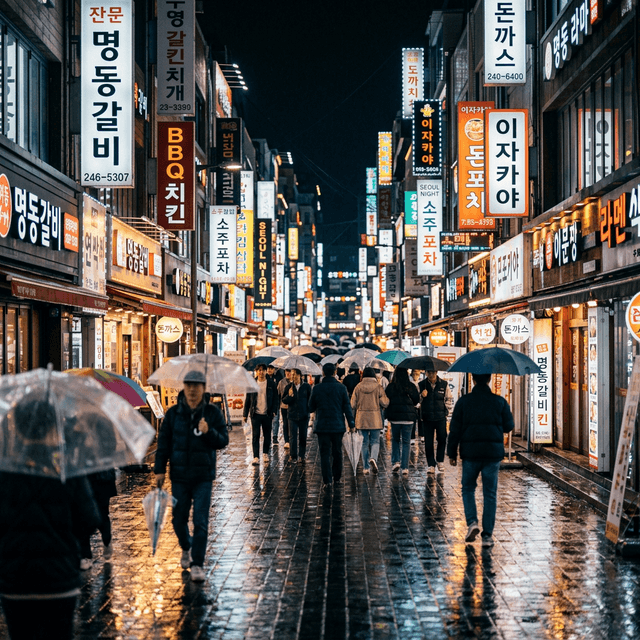
South-coast finale
Busan turns the long south-coast road into a complete arc: land-end, islands, tea fields, ecology, night sea, small ports, modern industry, and finally a global harbor city.
Support, not prescription
Nothing here needs to become a fixed itinerary. The point is to understand what each transport mode preserves, what it sacrifices, and which cities become more valuable if you decide to keep them.
Tradeoff
Rail and buses can reach the big anchors, but islands, viewpoints, and ferry timing need more planning.
Stop behavior
Use Mokpo, Suncheon/Yeosu, Tongyeong/Geoje, and Busan as the practical public-transport spine.
Pacing note
Keep the public-transport version selective so transfers do not overwhelm the story.
Stopover sequence
These are not mandatory route checkpoints. They are the cities most likely to improve the journey when you want more than a direct transfer from Seoul to Busan.

Stopover city
Cumulative route time: 0h
Next leg
Route start
from the previous stop
The southwest harbor launchpad where Yudalsan, ferries, seafood, modern port memory, and Dadohae island access hand Route 6 into the south coast.
Route role
South-coast gateway
Why keep it
Mokpo makes Route 7 legible because it already has harbor, ferry, mountain, seafood, Dadohae access, and island-departure energy before the road bends toward Haenam.
Why it matters
Mokpo makes Route 7 legible because it already has harbor, ferry, mountain, seafood, Dadohae access, and island-departure energy before the road bends toward Haenam.
Recovery value
Recovery value depends on route pace, but Mokpo is most useful when you want the stop to improve the next leg rather than simply break distance.
Sleep and food
Start Route 7 with a Mokpo night so the traveler feels the handoff from west-coast harbor to island coast.
Next chapter
After Mokpo, Haenam turns the route into Korea's land-end story before Wando opens the island rhythm.

Stopover city
Cumulative route time: 1h 20m
Next leg
1h - 1h 20m
from the previous stop
Korea's land-end threshold where Ttangkkeut, Duryunsan, Daeheungsa, and southern peninsula scenery make the route feel earned.
Route role
Land-end threshold
Why keep it
Haenam gives Route 7 a strong opening chapter through Ttangkkeut land-end identity, Duryunsan mountain views, Daeheungsa temple history, seafood, and slow rural roads.
Why it matters
Haenam gives Route 7 a strong opening chapter through Ttangkkeut land-end identity, Duryunsan mountain views, Daeheungsa temple history, seafood, and slow rural roads.
Recovery value
Recovery value depends on route pace, but Haenam is most useful when you want the stop to improve the next leg rather than simply break distance.
Sleep and food
Use Haenam when the south-coast route needs a symbolic beginning rather than jumping straight from Mokpo to island towns.
Next chapter
After Haenam, Wando turns the route from peninsula edge into island and seafood travel.

Stopover city
Cumulative route time: 2h 20m
Next leg
45m - 1h
from the previous stop
A Dadohae island-seafood gateway where Cheongsando, seaweed culture, ferries, Wando Arboretum, and marine life give the route its island tempo.
Route role
Island and seafood gateway
Why keep it
Wando is the first unmistakable Dadohae island chapter on Route 7, linking Cheongsando slow travel, seafood, seaweed, ferries, arboretum greenery, and marine identity.
Why it matters
Wando is the first unmistakable Dadohae island chapter on Route 7, linking Cheongsando slow travel, seafood, seaweed, ferries, arboretum greenery, and marine identity.
Recovery value
Recovery value depends on route pace, but Wando is most useful when you want the stop to improve the next leg rather than simply break distance.
Sleep and food
Give Wando time when the traveler wants islands, ferry mood, seafood, and a slower coastal chapter after Haenam.
Next chapter
After Wando, Boseong slows the line into tea fields before the route joins Suncheon and Yeosu.
Stopover city
Cumulative route time: 4h
Next leg
1h 20m - 1h 40m
from the previous stop
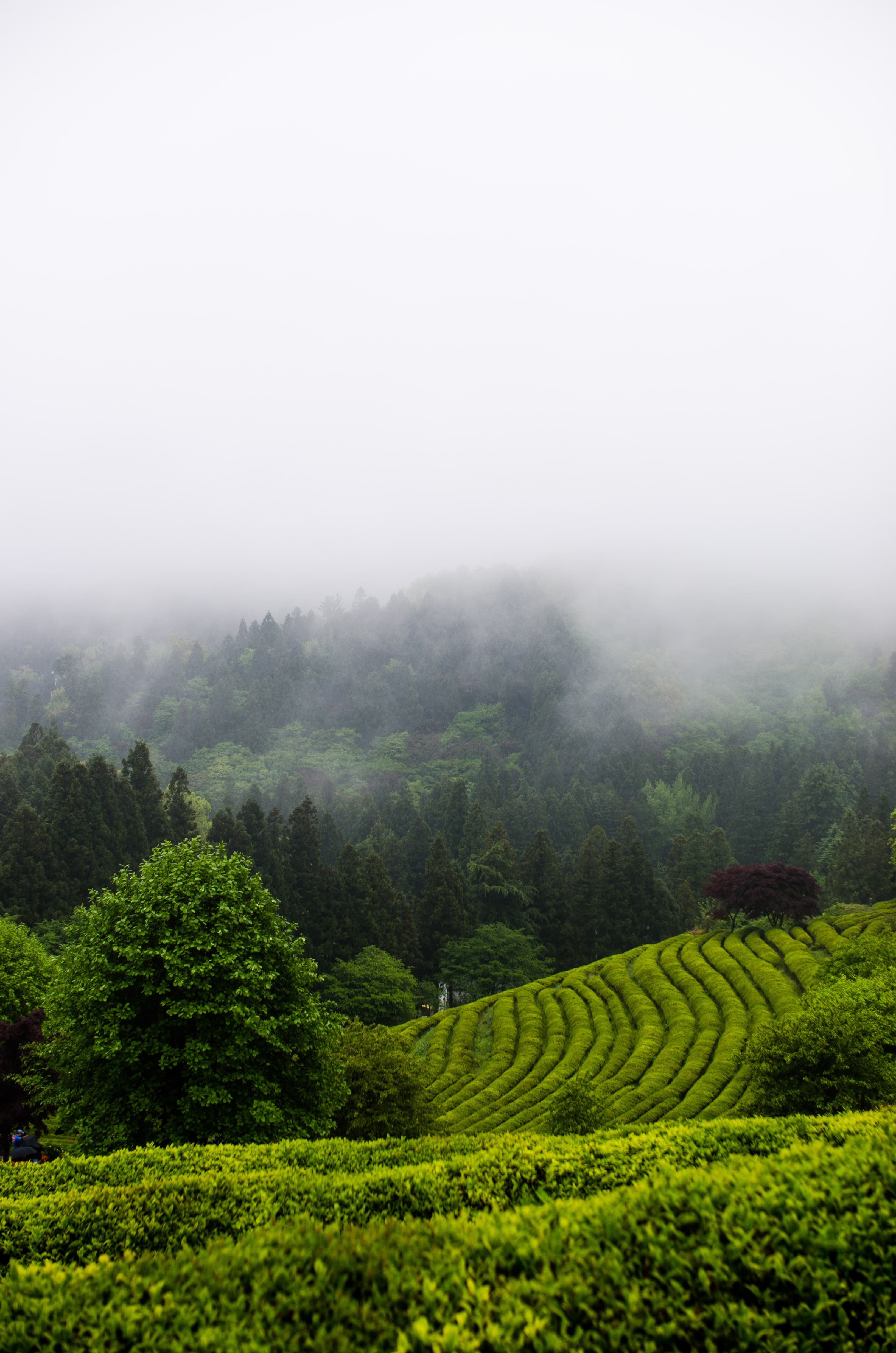
The green-tea landscape where Daehan Dawon, terraced fields, coastal light, and slow rural pacing create a calm hinge before Suncheon.
Route role
Tea-field pause
Why keep it
Boseong is globally easy to understand through green tea fields, but it also helps the route breathe before the ecological and harbor cities ahead.
Why it matters
Boseong is globally easy to understand through green tea fields, but it also helps the route breathe before the ecological and harbor cities ahead.
Recovery value
Recovery value depends on route pace, but Boseong is most useful when you want the stop to improve the next leg rather than simply break distance.
Sleep and food
Use Boseong as a slow visual reset between island road and the larger Suncheon-Yeosu south-coast sequence.
Next chapter
After Boseong, Suncheon brings wetland ecology and garden scale before Yeosu opens the night-sea junction.
Stopover city
Cumulative route time: 5h
Next leg
45m - 1h
from the previous stop
The ecology junction where Suncheon Bay Wetland and Suncheon Bay National Garden connect Route 5 and Route 7.
Route role
Ecology junction
Why keep it
Suncheon lets Route 7 share Route 5's ecological intelligence while still preparing the traveler for the island-and-port eastward coast.
Why it matters
Suncheon lets Route 7 share Route 5's ecological intelligence while still preparing the traveler for the island-and-port eastward coast.
Recovery value
Recovery value depends on route pace, but Suncheon is most useful when you want the stop to improve the next leg rather than simply break distance.
Sleep and food
Use Suncheon as the calm overnight when the route needs wetlands and garden pacing before Yeosu or Namhae.
Next chapter
After Suncheon, Yeosu turns the line into a night-sea and island-harbor junction.
Stopover city
Cumulative route time: 6h
Next leg
40m - 1h
from the previous stop
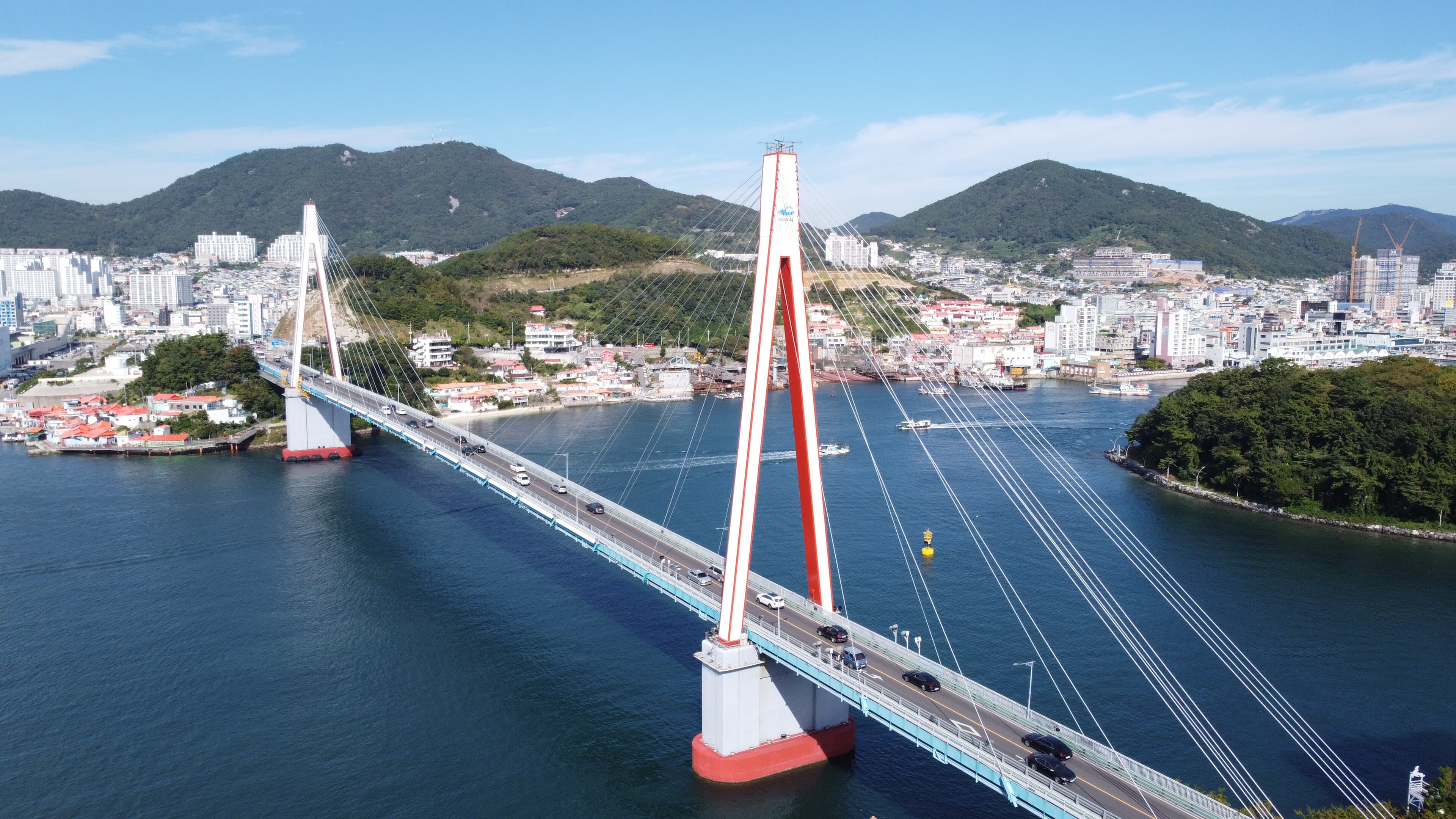
The night-sea junction where Odongdo, Dolsan, Hyangiram, seafood, and harbor lights connect Route 5 to the deeper Hallyeohaesang-facing south coast.
Route role
Night-sea junction
Why keep it
Yeosu is already a strong Route 5 finale, but on Route 7 it becomes the hinge from Jeolla ecology and Dadohae mood into Namhae, Hallyeohaesang, Tongyeong, Geoje, and Busan.
Why it matters
Yeosu is already a strong Route 5 finale, but on Route 7 it becomes the hinge from Jeolla ecology and Dadohae mood into Namhae, Hallyeohaesang, Tongyeong, Geoje, and Busan.
Recovery value
Recovery value depends on route pace, but Yeosu is most useful when you want the stop to improve the next leg rather than simply break distance.
Sleep and food
Keep Yeosu as an overnight rather than a pass-through; its evening identity is the point.
Next chapter
After Yeosu, Namhae begins the island-road chapter of the southeast-facing south coast.

Stopover city
Cumulative route time: 7h 40m
Next leg
1h 20m - 1h 50m
from the previous stop
An island-road chapter where German Village, Boriam views, rice terraces, beaches, bridge approaches, and the Hallyeohaesang approach make the coast intimate.
Route role
Island-road chapter
Why keep it
Namhae gives Route 7 a lived-in island chapter through German Village, Boriam, Sangju Beach, Darangee terraces, seafood, Hallyeohaesang views, and road-trip pacing.
Why it matters
Namhae gives Route 7 a lived-in island chapter through German Village, Boriam, Sangju Beach, Darangee terraces, seafood, Hallyeohaesang views, and road-trip pacing.
Recovery value
Recovery value depends on route pace, but Namhae is most useful when you want the stop to improve the next leg rather than simply break distance.
Sleep and food
Use Namhae for travelers who want coastal drives, small pensions, viewpoints, seafood, and a softer island mood after Yeosu.
Next chapter
After Namhae, Tongyeong brings Hallyeohaesang island culture, Yi Sun-sin memory, and port-city art.

Stopover city
Cumulative route time: 9h 50m
Next leg
1h 40m - 2h 10m
from the previous stop
The Yi Sun-sin naval port city where Samdo Sugun Tongjeyeong history, Hallyeohaesang islands, Dongpirang murals, ferries, seafood, and art make the route dense.
Route role
Naval history and port culture
Why keep it
Tongyeong balances past and present unusually well: Yi Sun-sin memory, Samdo Sugun Tongjeyeong command history, ferry terminals, Hallyeohaesang views, seafood, music and art culture, and compact walking streets.
Why it matters
Tongyeong balances past and present unusually well: Yi Sun-sin memory, Samdo Sugun Tongjeyeong command history, ferry terminals, Hallyeohaesang views, seafood, music and art culture, and compact walking streets.
Recovery value
Recovery value depends on route pace, but Tongyeong is most useful when you want the stop to improve the next leg rather than simply break distance.
Sleep and food
Give Tongyeong a night when the traveler wants one of Korea's most historically valuable small harbor chapters before Geoje.
Next chapter
After Tongyeong, Geoje adds shipbuilding scale, POW history, Oedo, Windy Hill, and the final push toward Busan.

Stopover city
Cumulative route time: 10h 50m
Next leg
40m - 1h
from the previous stop
A modern island city where shipbuilding, POW Camp history, Windy Hill, Oedo Botania, and bridge access prepare the Busan arrival.
Route role
Modern island and Busan handoff
Why keep it
Geoje keeps Route 7 from ending as scenery alone. Shipbuilding, Korean War POW memory, Oedo, Windy Hill, beaches, and bridge infrastructure make the present visible.
Why it matters
Geoje keeps Route 7 from ending as scenery alone. Shipbuilding, Korean War POW memory, Oedo, Windy Hill, beaches, and bridge infrastructure make the present visible.
Recovery value
Recovery value depends on route pace, but Geoje is most useful when you want the stop to improve the next leg rather than simply break distance.
Sleep and food
Use Geoje when the final approach should include both modern industry and island scenery before Busan.
Next chapter
After Geoje, Busan becomes the metropolitan coast finale rather than an abrupt jump.
Stopover city
Cumulative route time: 12h 30m
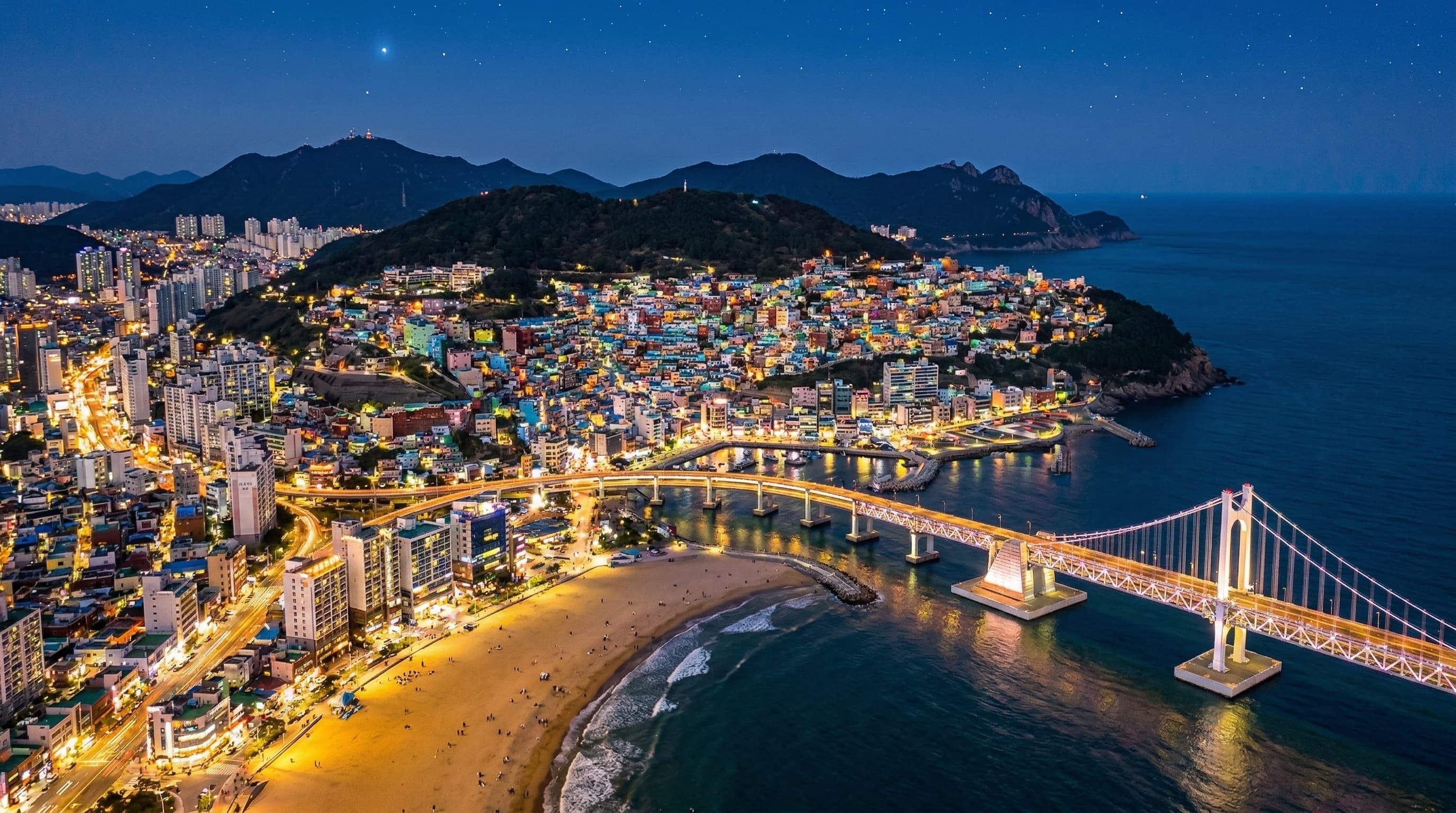
The metropolitan coast finale where markets, beaches, ports, hillsides, and food make the south-coast journey land in a major city.
Route role
South-coast finale
Why keep it
Busan turns the long south-coast road into a complete arc: land-end, islands, tea fields, ecology, night sea, small ports, modern industry, and finally a global harbor city.
Why it matters
Busan turns the long south-coast road into a complete arc: land-end, islands, tea fields, ecology, night sea, small ports, modern industry, and finally a global harbor city.
Recovery value
Recovery value depends on route pace, but Busan is most useful when you want the stop to improve the next leg rather than simply break distance.
Sleep and food
End Route 7 in Busan after Geoje so the city feels like the final coast chapter, not only a transport hub.
Next chapter
After Busan, the route starts leaning more clearly into the next chapter rather than the previous one.
Continue reading
The route gives the frame. These city guides give each stop enough context, texture, and local detail to read as a complete travel article.
South-coast gateway
The southwest harbor launchpad where Yudalsan, ferries, seafood, modern port memory, and Dadohae island access hand Route 6 into the south coast.
Land-end threshold
Korea's land-end threshold where Ttangkkeut, Duryunsan, Daeheungsa, and southern peninsula scenery make the route feel earned.
Island and seafood gateway
A Dadohae island-seafood gateway where Cheongsando, seaweed culture, ferries, Wando Arboretum, and marine life give the route its island tempo.
Tea-field pause
The green-tea landscape where Daehan Dawon, terraced fields, coastal light, and slow rural pacing create a calm hinge before Suncheon.
Route Search Questions
Route 7 works best as Mokpo, Haenam, Wando, Boseong, Suncheon, Yeosu, Namhae, Tongyeong, Geoje, and Busan, linking Dadohae island access, land-end meaning, green tea fields, wetlands, night sea, Hallyeohaesang port culture, modern island history, and the final Busan harbor arrival.
Haenam gives the route a symbolic start through Ttangkkeut, Duryunsan, and Daeheungsa before Wando turns the journey into island and seafood travel.
No. Route 7 is a multi-day south-coast itinerary for travelers who want the coast itself: Dadohae, Hallyeohaesang, islands, seafood, temples, tea fields, wetlands, small ports, Geoje, and Busan.
They give the route its real maritime identity. Dadohae frames the southwest island sea around Mokpo, Haenam, and Wando, while Hallyeohaesang frames the eastward island-and-port sequence through Yeosu, Namhae, Tongyeong, Geoje, and Busan.
Next move
Once the corridor and transport logic feel clear, use the linked city guides only for the places that genuinely improve your version of the route.