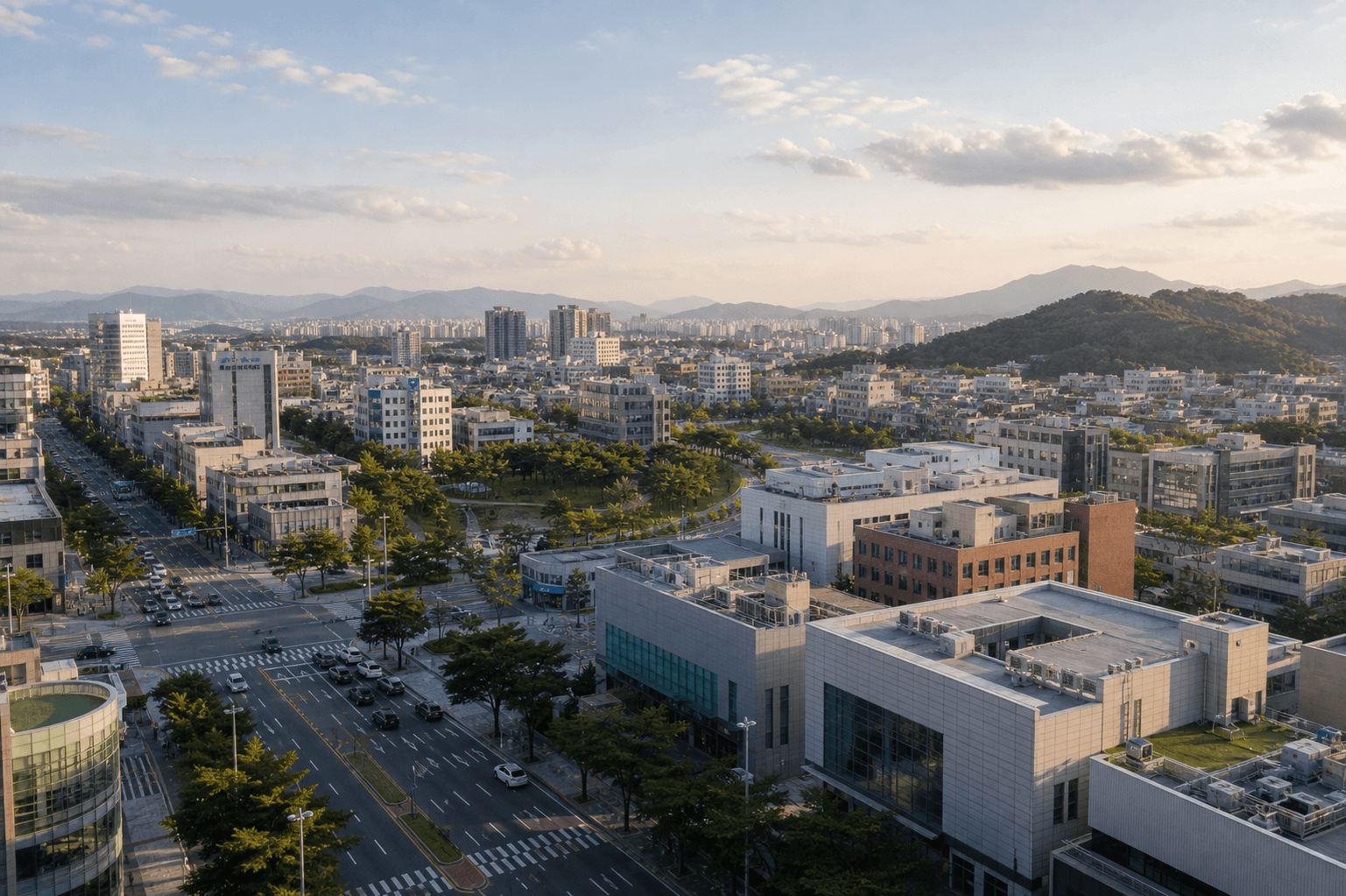
Stop 1
First southbound reset
Cheonan
Cheonan closes the first gap on Route 5 and works as a junction-capable city because it already supports Route 1 while also softening the move toward Gongju.
Route guide
Seoul to Yeosu through Baekje memory, Jeolla food, Gwangju modern history, wetlands, and south-coast night sea.
Route 5 opens the Jeolla direction as a deliberate travel line rather than a transfer. Cheonan softens the first jump, Gongju gives Baekje depth, Jeonju gives hanok food culture, Gwangju brings Korea's modern democratic history into the route, Suncheon adds wetlands and gardens, and Yeosu finishes with islands, seafood, and night-sea atmosphere.
How to use this page
Yeosu works as the finale because the traveler arrives with context: not just a harbor city, but the south-coast reward after inland Korea has unfolded in chapters.
Animated route overview
This is the representative motion for the currently selected route line. The path draws itself from Seoul to Yeosu, then pauses at the cities most likely to change the journey.
Active route line
Route 5-0-r
Jeolla Inland to South Coast via Rail + Local Transit
Live chapter
Seoul
Departure
The line leaves Seoul and starts reading like jeolla inland to south coast.
Choose this when public transport matters more than detour freedom.
Why this chapter matters
The first question is not where to stop, but which southbound logic you want to keep.
Next handoff
Cheonan
First southbound reset
Editorial notes
Compare the corridor
Route map
Current mode
A rail-led version that uses Jeonju, Gwangju, Suncheon, and Yeosu as the easiest anchors while keeping Gongju and the Imsil-Namwon variant as selective story additions.
Best for
Travelers without a car who still want the Jeolla narrative.
Choose it when
Choose this when public transport matters more than detour freedom.
Watch out for
Avoid it when the traveler expects remote viewpoints and flexible countryside stops.
City thumbnails
Open the city chapters that make this route feel concrete: lake resets, harbor handoffs, mountain gates, food cities, and coastal pauses.
First southbound reset
Cheonan closes the first gap on Route 5 and works as a junction-capable city because it already supports Route 1 while also softening the move toward Gongju.

Baekje threshold
Gongju prevents Route 5 from becoming only a food-and-coast line. Gongsanseong, Baekje royal memory, Magoksa, and the Geumgang setting make the southbound turn feel authored.

Jeolla food-and-hanok anchor
Jeonju makes the route legible to English-speaking travelers through Hanok Village, bibimbap, makgeolli alleys, markets, and a living old-city texture.

Korean modern-history anchor
Gwangju should not be missing from the Jeolla route because it is one of the places where Korea's modern democratic story becomes visible. May 18 memory, Asia Culture Center energy, Yangnim-dong texture, markets, food, and Mudeungsan make it a major chapter.

Ecology gateway
Suncheon Bay Wetland, Suncheon Bay National Garden, reed fields, migratory-bird scenery, and old-town pockets make the city a strong present-tense reason to slow down.

South coast finale
Yeosu turns the route into an arrival rather than a transfer. Odongdo, Hyangiram, Dolsan views, seafood, romantic night sea, and harbor walks make the finish memorable.
Support, not prescription
Nothing here needs to become a fixed itinerary. The point is to understand what each transport mode preserves, what it sacrifices, and which cities become more valuable if you decide to keep them.
Tradeoff
Rail keeps the line efficient, but smaller story stops need more timetable care.
Stop behavior
Best as Jeonju plus Suncheon/Yeosu, with Gongju or Namwon added when the itinerary has slack.
Pacing note
Keep the rail version honest: fewer stops, stronger nights, less overpacking.
Stopover sequence
These are not mandatory route checkpoints. They are the cities most likely to improve the journey when you want more than a direct transfer from Seoul to Busan.
Stopover city
Cumulative route time: 1h 10m
Next leg
1h - 1h 20m
from the previous stop
A practical first southern reset where the Seoul departure becomes manageable before Gongju and the Jeolla line.
Route role
First southbound reset
Why keep it
Keep it when the traveler needs the first hour out of Seoul to feel humane.
Why it matters
Cheonan closes the first gap on Route 5 and works as a junction-capable city because it already supports Route 1 while also softening the move toward Gongju.
Recovery value
Recovery value depends on route pace, but Cheonan is most useful when you want the stop to improve the next leg rather than simply break distance.
Sleep and food
Use Cheonan when the Seoul-to-Gongju jump feels too long, especially for late starts or travelers who need a simple station-side pause.
Next chapter
After Cheonan, Gongju becomes the Baekje gateway rather than a large first leap from Seoul.

Stopover city
Cumulative route time: 2h
Next leg
1h 50m - 2h 20m
from the previous stop
A Baekje gateway where fortress walls, royal memory, and riverside pacing give the Jeolla line a deeper first chapter.
Route role
Baekje threshold
Why keep it
Keep it when the route needs Baekje context before the Jeolla identity opens.
Why it matters
Gongju prevents Route 5 from becoming only a food-and-coast line. Gongsanseong, Baekje royal memory, Magoksa, and the Geumgang setting make the southbound turn feel authored.
Recovery value
Recovery value depends on route pace, but Gongju is most useful when you want the stop to improve the next leg rather than simply break distance.
Sleep and food
Use Gongju as the first heritage pause if the traveler wants history before Jeonju, or a light overnight when Seoul departure is late.
Next chapter
After Gongju, the route turns from central Korea into Jeonju, where food, hanok streets, and stay logic become stronger.
Stopover city
Cumulative route time: 3h 30m
Next leg
1h 10m - 1h 30m
from the previous stop
A hanok, bibimbap, makgeolli, and street-food city that gives Route 5 its most searchable inland overnight.
Route role
Jeolla food-and-hanok anchor
Why keep it
Keep it when the route needs a high-confidence food and stay anchor before the deeper southern chapters.
Why it matters
Jeonju makes the route legible to English-speaking travelers through Hanok Village, bibimbap, makgeolli alleys, markets, and a living old-city texture.
Recovery value
Recovery value depends on route pace, but Jeonju is most useful when you want the stop to improve the next leg rather than simply break distance.
Sleep and food
Treat Jeonju as the most obvious overnight on Route 5, especially for first-time travelers who need a clear cultural reward.
Next chapter
After Jeonju, the main Route 5 line turns toward Gwangju, while the inland story variant can move through Imsil and Namwon.

Stopover city
Cumulative route time: 4h 50m
Next leg
1h 10m - 1h 30m
from the previous stop
A city central to Korea's modern democratic history, where May 18 memory, civic courage, art, food, Mudeungsan, and contemporary culture make Route 5 feel complete.
Route role
Korean modern-history anchor
Why keep it
Keep it on the main line because Route 5 needs Korea's modern civic history as much as food, heritage, and coastal scenery.
Why it matters
Gwangju should not be missing from the Jeolla route because it is one of the places where Korea's modern democratic story becomes visible. May 18 memory, Asia Culture Center energy, Yangnim-dong texture, markets, food, and Mudeungsan make it a major chapter.
Recovery value
Recovery value depends on route pace, but Gwangju is most useful when you want the stop to improve the next leg rather than simply break distance.
Sleep and food
Give Gwangju an overnight when Route 5 needs the seriousness of modern Korean history, not only city scale and culture, before Suncheon.
Next chapter
After Gwangju, Suncheon shifts the route from modern civic memory and city culture into wetland and garden ecology before Yeosu.
Stopover city
Cumulative route time: 5h 50m
Next leg
1h - 1h 20m
from the previous stop
A wetland and garden city where Suncheon Bay turns the route from inland culture into ecological south-coast travel.
Route role
Ecology gateway
Why keep it
Keep it when Route 5 needs nature, gardens, and a slower ecological identity before Yeosu.
Why it matters
Suncheon Bay Wetland, Suncheon Bay National Garden, reed fields, migratory-bird scenery, and old-town pockets make the city a strong present-tense reason to slow down.
Recovery value
Recovery value depends on route pace, but Suncheon is most useful when you want the stop to improve the next leg rather than simply break distance.
Sleep and food
Use Suncheon as a calm overnight when Yeosu would be too compressed, or as the ecological highlight before the island city finish.
Next chapter
After Suncheon, Yeosu becomes the sea-facing finale with islands, night views, seafood, and harbor energy.
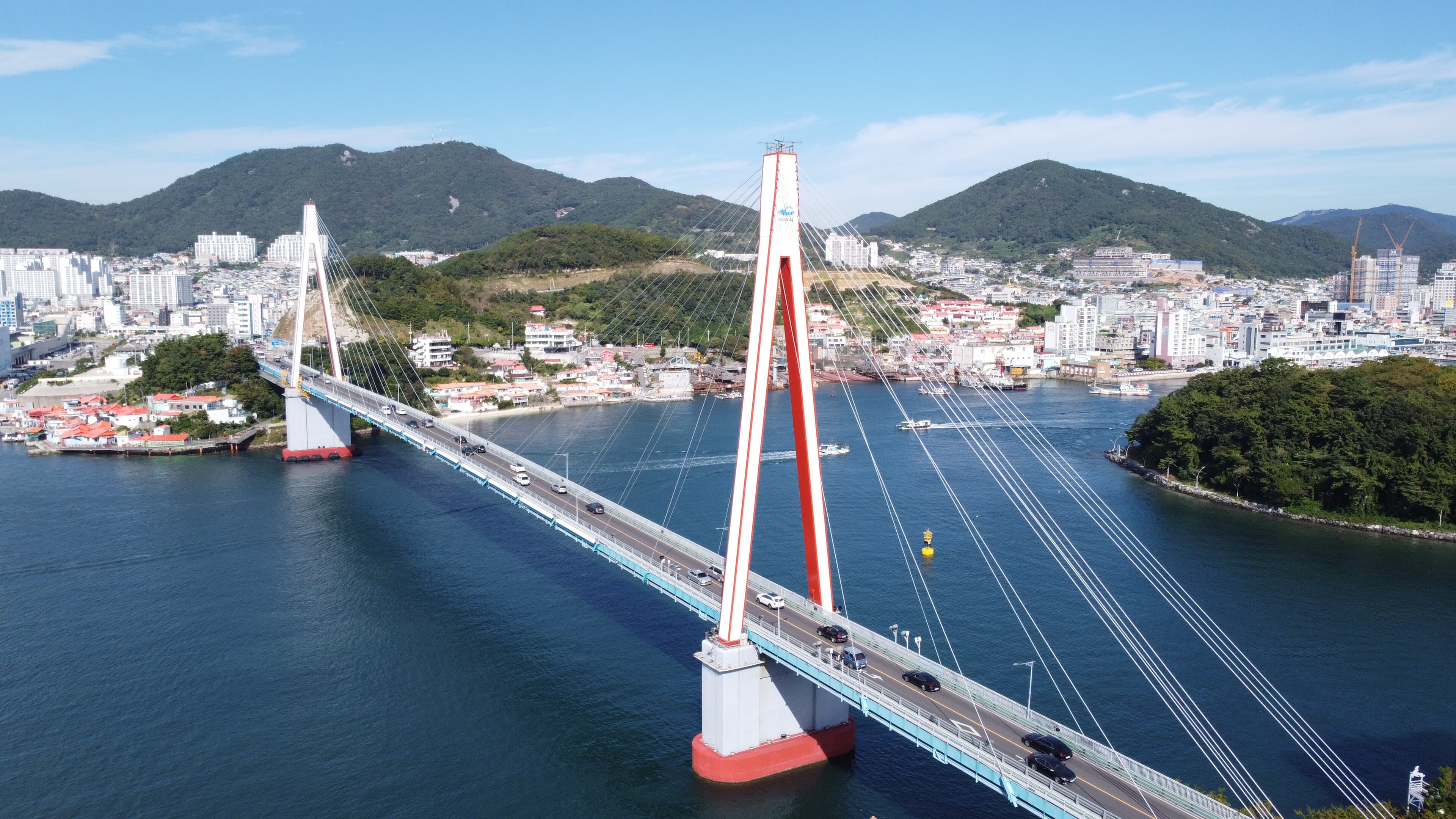
Stopover city
Cumulative route time: 6h 30m
A south-coast arrival where islands, seafood, Expo memory, Odongdo, Hyangiram, and night-sea atmosphere complete Route 5.
Route role
South coast finale
Why keep it
Choose Yeosu when the traveler wants the route to end with the sea, not another inland connection.
Why it matters
Yeosu turns the route into an arrival rather than a transfer. Odongdo, Hyangiram, Dolsan views, seafood, romantic night sea, and harbor walks make the finish memorable.
Recovery value
Recovery value depends on route pace, but Yeosu is most useful when you want the stop to improve the next leg rather than simply break distance.
Sleep and food
Give Yeosu the final night whenever possible; it is the emotional payoff after the inland sequence.
Next chapter
After Yeosu, the route starts leaning more clearly into the next chapter rather than the previous one.
Continue reading
The route gives the frame. These city guides give each stop enough context, texture, and local detail to read as a complete travel article.
First southbound reset
A practical first southern reset where the Seoul departure becomes manageable before Gongju and the Jeolla line.
Baekje threshold
A Baekje gateway where fortress walls, royal memory, and riverside pacing give the Jeolla line a deeper first chapter.
Jeolla food-and-hanok anchor
A hanok, bibimbap, makgeolli, and street-food city that gives Route 5 its most searchable inland overnight.
Korean modern-history anchor
A city central to Korea's modern democratic history, where May 18 memory, civic courage, art, food, Mudeungsan, and contemporary culture make Route 5 feel complete.
Route Search Questions
Route 5 works best as Seoul, Cheonan, Gongju, Jeonju, Gwangju, Suncheon, and Yeosu, with an Imsil-Namwon inland variant for travelers who want cheese, Chunhyang, and Jirisan depth.
Gwangju is essential on Route 5 because it carries a defining chapter of modern Korean history through May 18 memory, then adds Asia Culture Center, food, Mudeungsan, and city-scale Honam culture before Suncheon and Yeosu.
Jeonju gives the route its strongest inland overnight through Hanok Village, bibimbap, makgeolli, markets, and Jeolla food culture before the trip turns toward the southern coast.
Yes. Suncheon Bay Wetland and Suncheon Bay National Garden add an ecological chapter that makes Yeosu feel like an earned sea arrival rather than a simple end point.
Next move
Once the corridor and transport logic feel clear, use the linked city guides only for the places that genuinely improve your version of the route.