
Stop 1
Open-port first chapter
Incheon
Incheon makes Route 6 feel different from the inland routes immediately. Open-port memory, Chinatown, Wolmido, ferries, fish markets, and airport scale turn the departure from Seoul into a West Sea story.
Route guide
Seoul to Mokpo through open ports, fortress walls, West Sea beaches, modern history, and southwest harbor arrival.
Route 6 builds the West Sea corridor. Incheon opens the route through Korea's open-port memory, Suwon adds UNESCO fortress planning, Seosan brings Haemi and Taean-side coastal choices, Boryeong adds Daecheon Beach and mud festival energy, Gunsan deepens the modern port story, and Mokpo finishes with Yudalsan, Gatbawi, seafood, ferries, and Dadohae views.
How to use this page
Mokpo works as the Route 6 finale because it is not only a terminal city. It is a southwest harbor arrival with mountain views, modern port memory, seafood, islands, and future south-coast expansion logic.
Animated route overview
This is the representative motion for the currently selected route line. The path draws itself from Seoul to Mokpo, then pauses at the cities most likely to change the journey.
Active route line
Route 6-0-r
West Sea Modern Coast via Rail + Local Transit
Live chapter
Seoul
Departure
The line leaves Seoul and starts reading like west sea modern coast.
Choose this when the traveler wants the West Sea story without driving every coastal segment.
Why this chapter matters
The first question is not where to stop, but which southbound logic you want to keep.
Next handoff
Incheon
Open-port first chapter
Editorial notes
Compare the corridor
Route map
Current mode
A rail-led version that uses Incheon/Suwon, Gunsan, and Mokpo as strong anchors while keeping Seosan and Boryeong as theme additions.
Best for
Travelers without a car who still want modern port memory and a Mokpo finish.
Choose it when
Choose this when the traveler wants the West Sea story without driving every coastal segment.
Watch out for
Avoid it when the itinerary depends on Taean beaches, remote mudflat stops, or flexible sunset timing.
City thumbnails
Open the city chapters that make this route feel concrete: lake resets, harbor handoffs, mountain gates, food cities, and coastal pauses.
Open-port first chapter
Incheon makes Route 6 feel different from the inland routes immediately. Open-port memory, Chinatown, Wolmido, ferries, fish markets, and airport scale turn the departure from Seoul into a West Sea story.
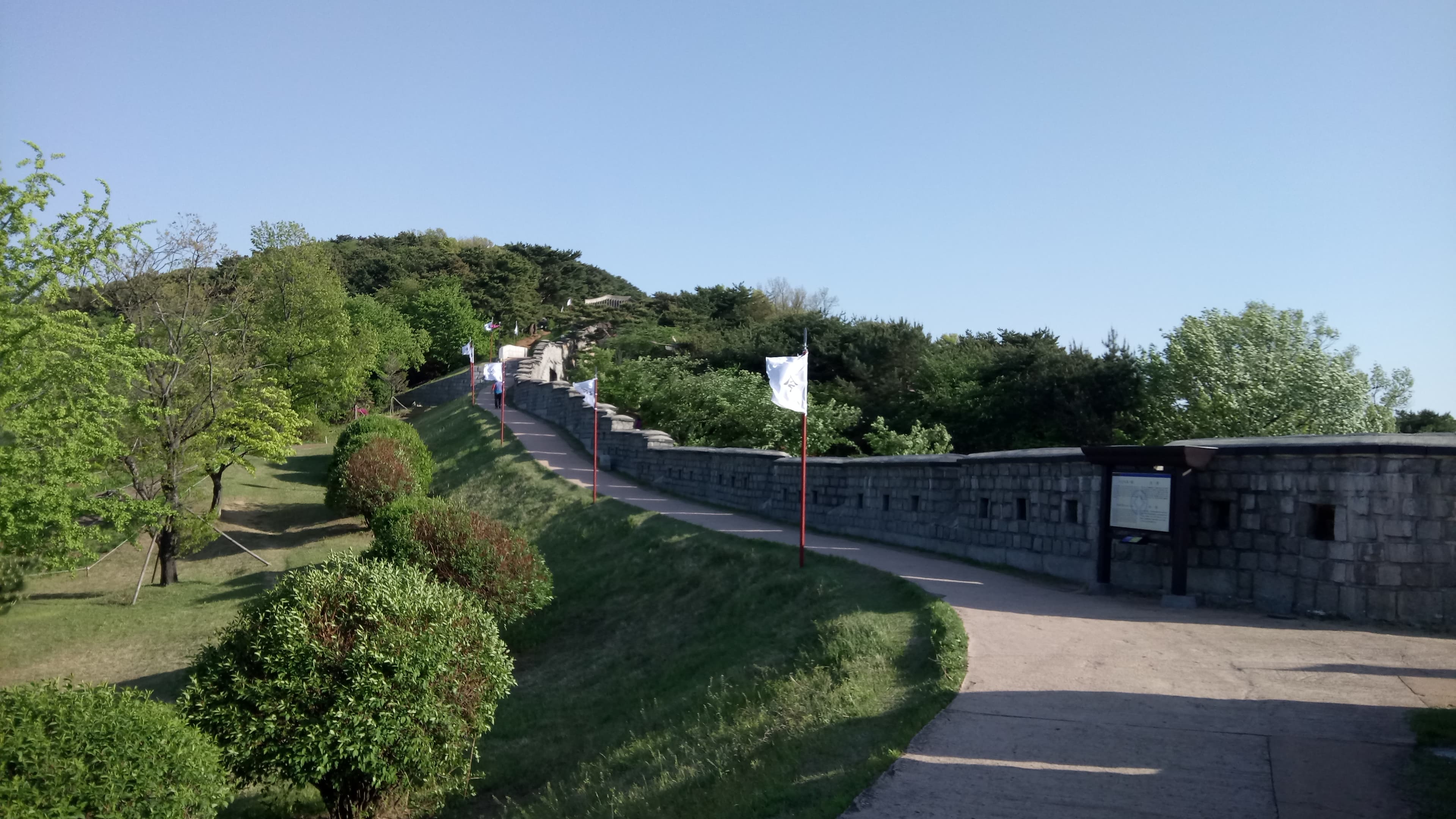
Fortress-planning hinge
Suwon Hwaseong brings royal Joseon planning, military architecture, markets, and walkable city-wall energy into the west-coast line.
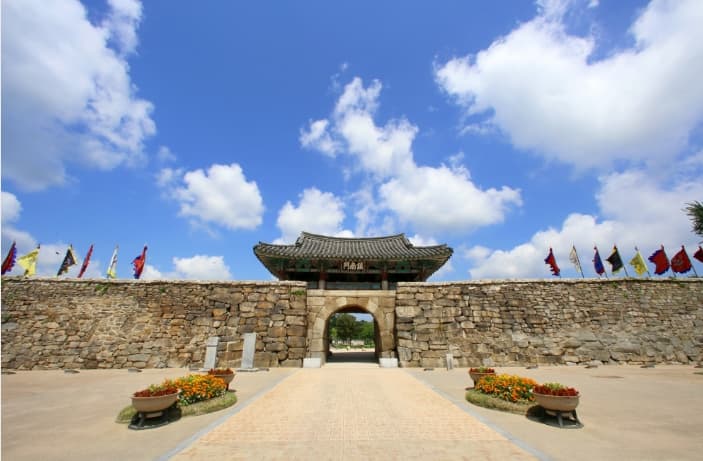
Naepo and Taean gateway
Seosan gives the route moral and coastal depth through Haemi Martyrdom Holy Ground, Haemieupseong context, garlic and seafood identity, and the ability to branch toward Taean beaches.

Mud festival and beach anchor
Boryeong carries one of Korea's most internationally legible festivals through the Mud Festival while still working as a beach, sunset, seafood, and family-travel stop.

Modern port memory
Gunsan Modern History Museum, old Japanese-style architecture, port streets, bakeries, and seafood make the city a natural Route 6 anchor.

Southwest coast finale
Mokpo finishes Route 6 with real harbor character: Yudalsan views, Gatbawi geology, modern history districts, seafood, island ferries, and Dadohae sunset.
Support, not prescription
Nothing here needs to become a fixed itinerary. The point is to understand what each transport mode preserves, what it sacrifices, and which cities become more valuable if you decide to keep them.
Tradeoff
Rail keeps Mokpo easy, but Seosan and Boryeong need more local-transfer planning.
Stop behavior
Best with Suwon or Incheon, Gunsan, and Mokpo as the clearest public-transport anchors.
Pacing note
Keep the public-transport version selective and honest about transfers.
Stopover sequence
These are not mandatory route checkpoints. They are the cities most likely to improve the journey when you want more than a direct transfer from Seoul to Busan.
Stopover city
Cumulative route time: 1h
Next leg
45m - 1h
from the previous stop
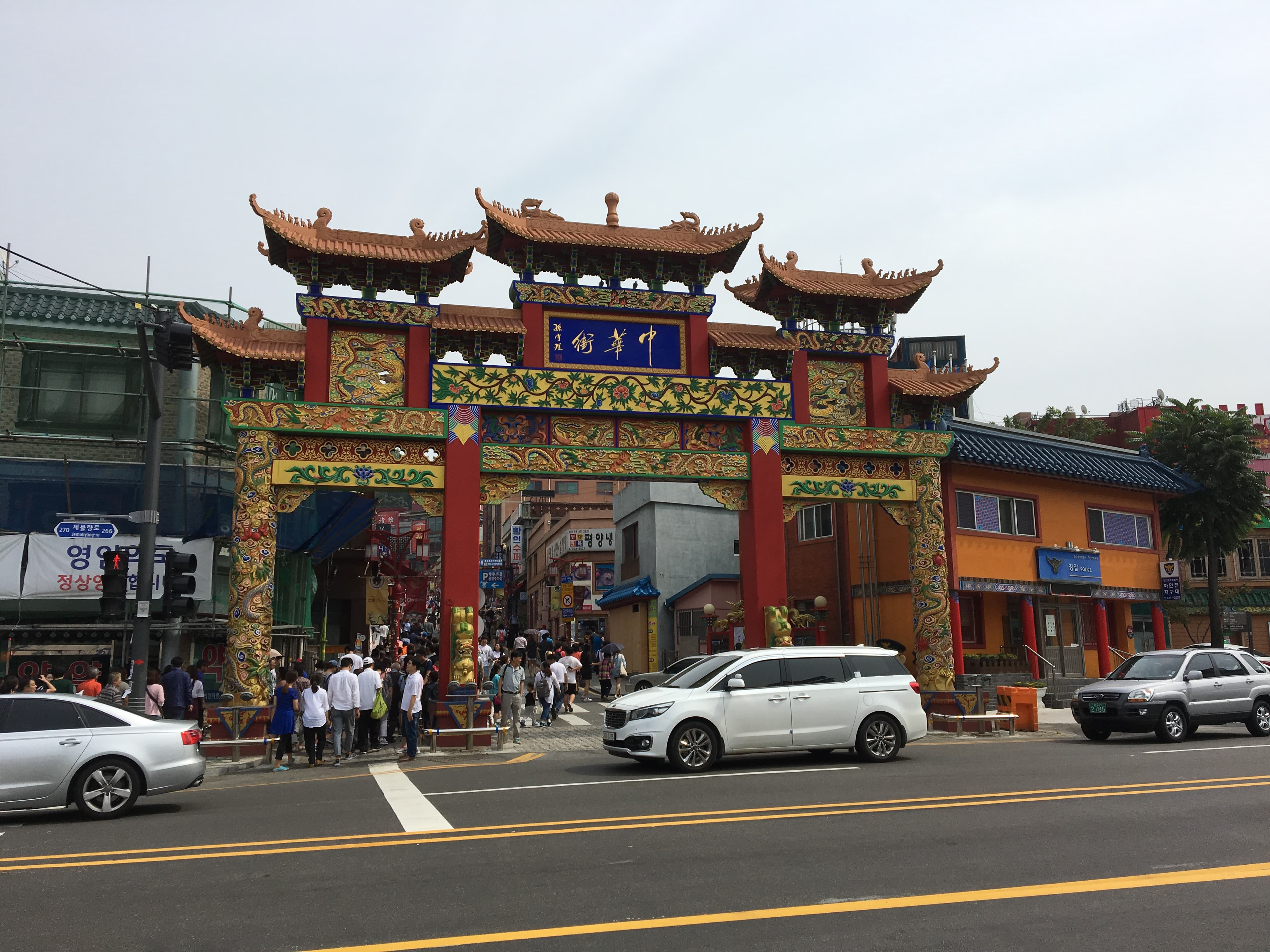
The open-port gateway where Korea meets the West Sea through Chinatown, Wolmido, port history, islands, and modern airport-city scale.
Route role
Open-port first chapter
Why keep it
Incheon makes Route 6 feel different from the inland routes immediately. Open-port memory, Chinatown, Wolmido, ferries, fish markets, and airport scale turn the departure from Seoul into a West Sea story.
Why it matters
Incheon makes Route 6 feel different from the inland routes immediately. Open-port memory, Chinatown, Wolmido, ferries, fish markets, and airport scale turn the departure from Seoul into a West Sea story.
Recovery value
Recovery value depends on route pace, but Incheon is most useful when you want the stop to improve the next leg rather than simply break distance.
Sleep and food
Use Incheon as the first Route 6 chapter when the traveler wants modern port history before the road turns south.
Next chapter
After Incheon, Suwon adds Joseon fortress planning before the route drops toward the Chungcheong coast.
Stopover city
Cumulative route time: 2h 10m
Next leg
1h - 1h 20m
from the previous stop
A UNESCO fortress city where King Jeongjo, Hwaseong, markets, and city-wall walks give Route 6 a powerful inland hinge before the coast.
Route role
Fortress-planning hinge
Why keep it
Suwon Hwaseong brings royal Joseon planning, military architecture, markets, and walkable city-wall energy into the west-coast line.
Why it matters
Suwon Hwaseong brings royal Joseon planning, military architecture, markets, and walkable city-wall energy into the west-coast line.
Recovery value
Recovery value depends on route pace, but Suwon is most useful when you want the stop to improve the next leg rather than simply break distance.
Sleep and food
Use Suwon as the most reliable first overnight if the traveler wants heritage with easy city services.
Next chapter
After Suwon, Seosan shifts the route toward Haemi, Catholic memory, tidal flats, and Taean-side coast choices.
Stopover city
Cumulative route time: 4h
Next leg
1h 30m - 2h
from the previous stop
A west-coast threshold where Haemi Catholic martyr memory, Naepo history, tidal-flat food, and Taean beach access deepen the line.
Route role
Naepo and Taean gateway
Why keep it
Seosan gives the route moral and coastal depth through Haemi Martyrdom Holy Ground, Haemieupseong context, garlic and seafood identity, and the ability to branch toward Taean beaches.
Why it matters
Seosan gives the route moral and coastal depth through Haemi Martyrdom Holy Ground, Haemieupseong context, garlic and seafood identity, and the ability to branch toward Taean beaches.
Recovery value
Recovery value depends on route pace, but Seosan is most useful when you want the stop to improve the next leg rather than simply break distance.
Sleep and food
Use Seosan when Route 6 should add pilgrimage, local food, and Taean-side coast texture before Boryeong.
Next chapter
After Seosan, Boryeong turns the west coast into a recognizable beach and festival chapter.
Stopover city
Cumulative route time: 5h 10m
Next leg
1h - 1h 20m
from the previous stop
The West Sea beach chapter where Daecheon Beach, mud culture, summer festival energy, and sunset coast make Route 6 visible to global travelers.
Route role
Mud festival and beach anchor
Why keep it
Boryeong carries one of Korea's most internationally legible festivals through the Mud Festival while still working as a beach, sunset, seafood, and family-travel stop.
Why it matters
Boryeong carries one of Korea's most internationally legible festivals through the Mud Festival while still working as a beach, sunset, seafood, and family-travel stop.
Recovery value
Recovery value depends on route pace, but Boryeong is most useful when you want the stop to improve the next leg rather than simply break distance.
Sleep and food
Give Boryeong a night in summer or when the traveler needs a light coastal pause before Gunsan.
Next chapter
After Boryeong, Gunsan changes the route into modern port history and colonial-era streets.

Stopover city
Cumulative route time: 6h 20m
Next leg
1h - 1h 20m
from the previous stop
A modern port-memory city where maritime distribution, colonial-era streets, museums, bakeries, and old-town walks give Route 6 depth.
Route role
Modern port memory
Why keep it
Gunsan Modern History Museum, old Japanese-style architecture, port streets, bakeries, and seafood make the city a natural Route 6 anchor.
Why it matters
Gunsan Modern History Museum, old Japanese-style architecture, port streets, bakeries, and seafood make the city a natural Route 6 anchor.
Recovery value
Recovery value depends on route pace, but Gunsan is most useful when you want the stop to improve the next leg rather than simply break distance.
Sleep and food
Use Gunsan as the serious history overnight before the route continues toward Mokpo.
Next chapter
After Gunsan, Mokpo becomes the southwest sea arrival with Yudalsan, Gatbawi, seafood, islands, and modern harbor memory.

Stopover city
Cumulative route time: 9h
The southwest sea arrival where Yudalsan, Gatbawi, modern port history, seafood, ferries, and Dadohae views complete Route 6.
Route role
Southwest coast finale
Why keep it
Mokpo finishes Route 6 with real harbor character: Yudalsan views, Gatbawi geology, modern history districts, seafood, island ferries, and Dadohae sunset.
Why it matters
Mokpo finishes Route 6 with real harbor character: Yudalsan views, Gatbawi geology, modern history districts, seafood, island ferries, and Dadohae sunset.
Recovery value
Recovery value depends on route pace, but Mokpo is most useful when you want the stop to improve the next leg rather than simply break distance.
Sleep and food
Give Mokpo the final night; it is the West Sea payoff and the future bridge toward Route 7 south-coast expansion.
Next chapter
After Mokpo, the route starts leaning more clearly into the next chapter rather than the previous one.
Continue reading
The route gives the frame. These city guides give each stop enough context, texture, and local detail to read as a complete travel article.
Open-port first chapter
The open-port gateway where Korea meets the West Sea through Chinatown, Wolmido, port history, islands, and modern airport-city scale.
Fortress-planning hinge
A UNESCO fortress city where King Jeongjo, Hwaseong, markets, and city-wall walks give Route 6 a powerful inland hinge before the coast.
Naepo and Taean gateway
A west-coast threshold where Haemi Catholic martyr memory, Naepo history, tidal-flat food, and Taean beach access deepen the line.
Mud festival and beach anchor
The West Sea beach chapter where Daecheon Beach, mud culture, summer festival energy, and sunset coast make Route 6 visible to global travelers.
Route Search Questions
Route 6 works best as Seoul, Incheon, Suwon, Seosan, Boryeong, Gunsan, and Mokpo, linking open-port history, Hwaseong Fortress, Haemi and Taean access, Daecheon Beach, modern port memory, and a southwest harbor finale.
Gunsan gives the west coast a serious modern-history port chapter through museums, old streets, bakeries, seafood, and harbor memory before Mokpo becomes the final southwest arrival.
No. The Boryeong Mud Festival is the strongest hook, but Daecheon Beach, seafood, sunsets, and coastal stays make Boryeong useful beyond festival dates.
Next move
Once the corridor and transport logic feel clear, use the linked city guides only for the places that genuinely improve your version of the route.