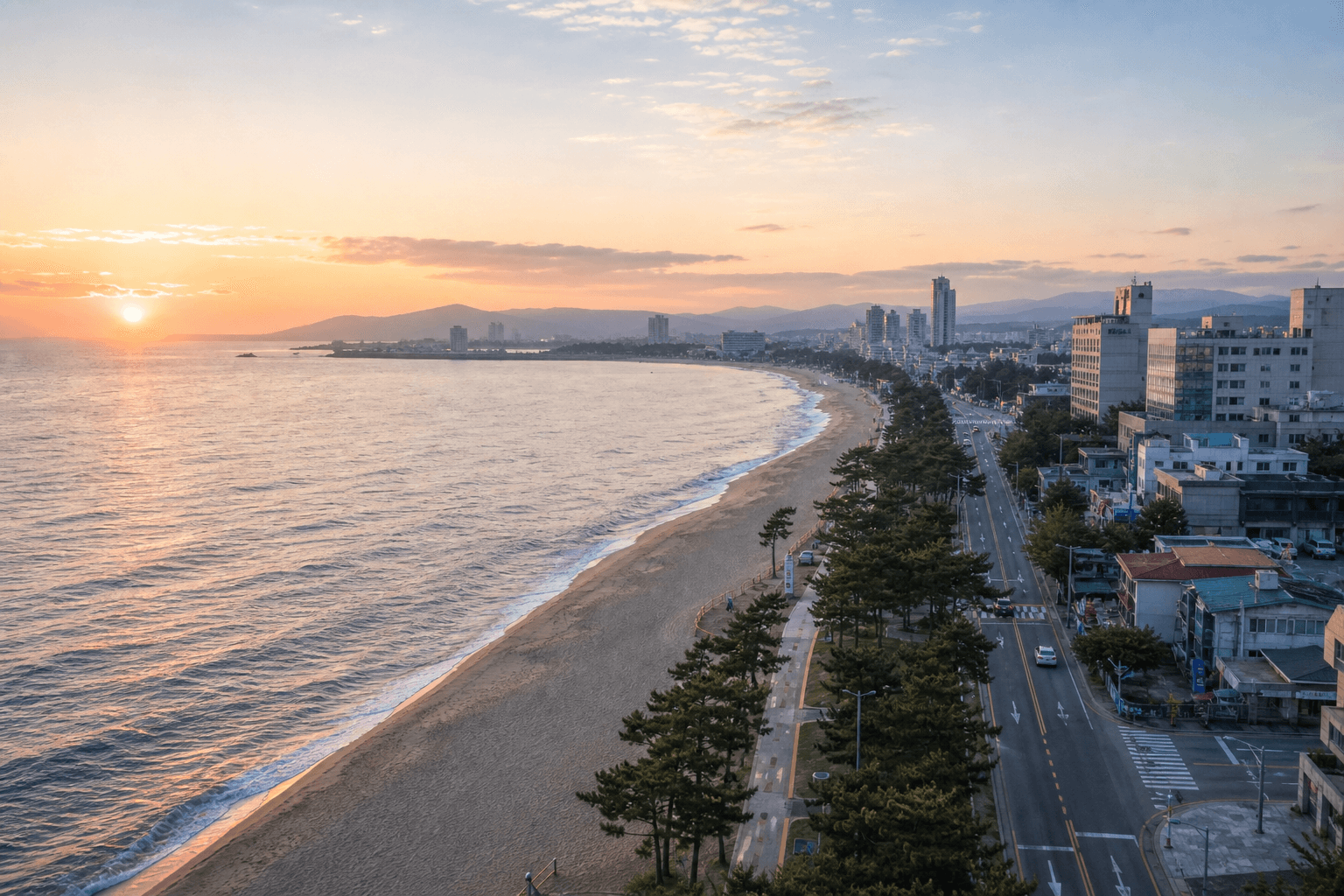
Stop 1
Major coast-city reset
Gangneung
It gives travelers enough infrastructure to reset without losing the East Sea mood.
Route guide
Korea’s long East Sea line through National Route 7, surf towns, ports, heritage, industry, and Busan.
Route 4 is the coastal counterweight to the inland and mountain routes. It begins where the northern coast meets DMZ and Seoraksan memory, then follows the East Sea through Yangyang, Gangneung, Donghae, Samcheok, Uljin, Yeongdeok, Pohang, Gyeongju, Ulsan, and finally Busan.
How to use this page
Use this route when Korea’s east coast should be the main story, not a scenery strip beside the road.
Animated route overview
This is the representative motion for the currently selected route line. The path draws itself from Goseong to Busan, then pauses at the cities most likely to change the journey.
Active route line
Route 4-0-a
National Route 7 Coast via Rail + Bus
Live chapter
Goseong
Departure
The line leaves Goseong and starts reading like national route 7 coast.
Choose this when the user values coast chapters and can accept transfers.
Why this chapter matters
The first question is not where to stop, but which southbound logic you want to keep.
Next handoff
Gangneung
Major coast-city reset
Editorial notes
Compare the corridor
Route map
Current mode
A public-transport interpretation of Route 4 using rail where it helps and buses where the coastal line needs local access.
Best for
Travelers who want the east-coast story without driving every segment.
Choose it when
Choose this when the user values coast chapters and can accept transfers.
Watch out for
Avoid it if the user wants every small coastal stop on a rigid timetable.
City thumbnails
Open the city chapters that make this route feel concrete: lake resets, harbor handoffs, mountain gates, food cities, and coastal pauses.
Major coast-city reset
It gives travelers enough infrastructure to reset without losing the East Sea mood.
Port-and-sunrise connector
It keeps the road grounded in working-harbor history instead of letting Route 4 become a sequence of beaches only.
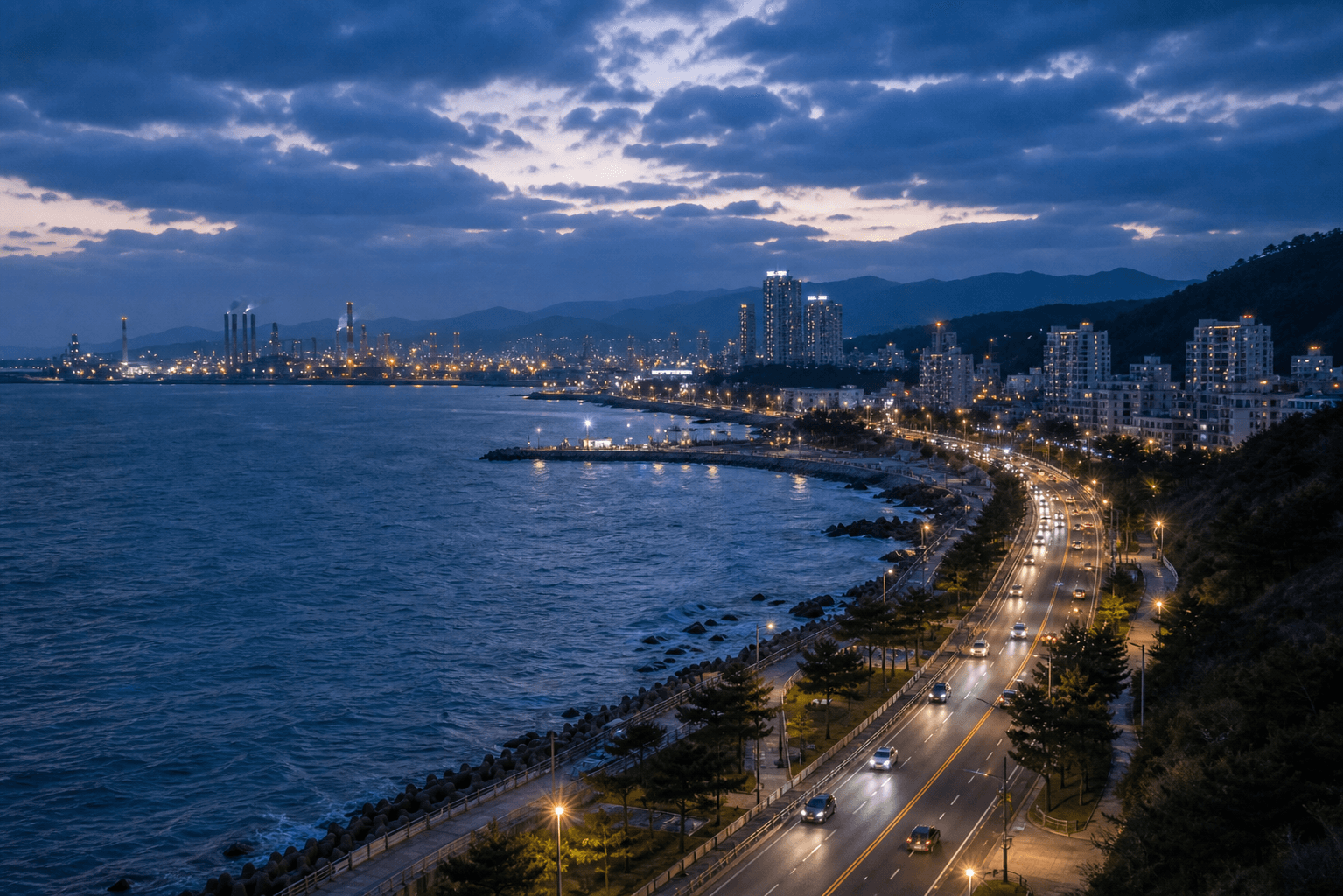
Late-coast hinge
It makes Route 4 feel contemporary, not only scenic or nostalgic.
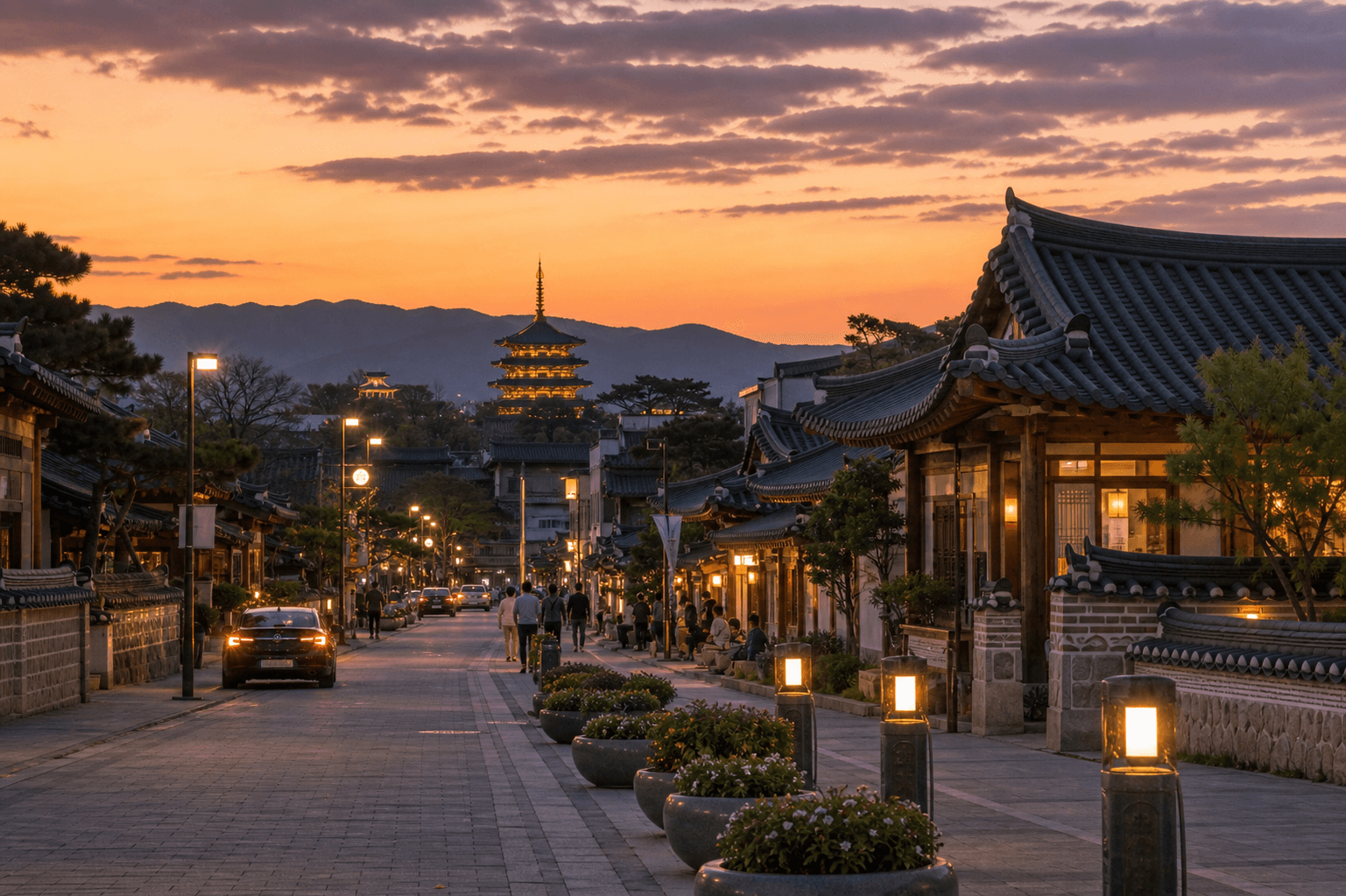
Heritage handoff
It gives Route 4 historical depth instead of letting the final third become only ports and expressway logic.
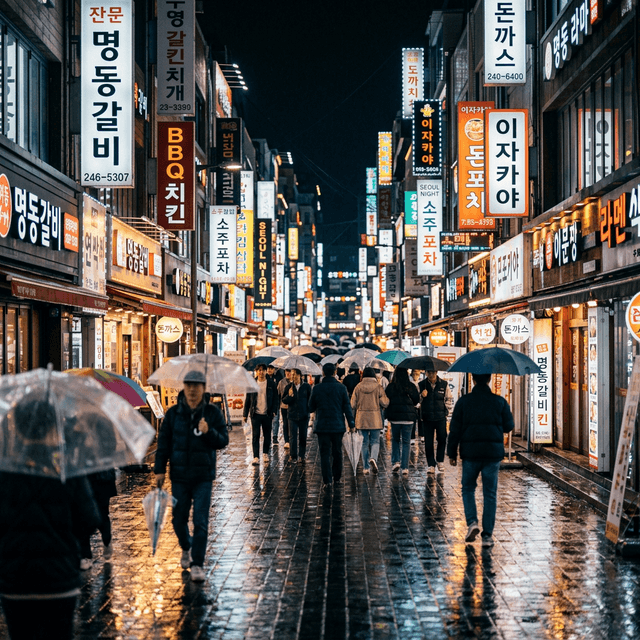
Southern finish
It resolves the full east coast line into Korea’s strongest port-city finish.
Support, not prescription
Nothing here needs to become a fixed itinerary. The point is to understand what each transport mode preserves, what it sacrifices, and which cities become more valuable if you decide to keep them.
Tradeoff
It is less seamless than a car because the coast is a network of cities, not one continuous high-speed line.
Stop behavior
Best with Gangneung, Donghae or Samcheok, Pohang or Gyeongju, and Busan as the main planning anchors.
Pacing note
Keep the public-transport version selective so it feels intentional rather than exhausting.
Stopover sequence
These are not mandatory route checkpoints. They are the cities most likely to improve the journey when you want more than a direct transfer from Seoul to Busan.
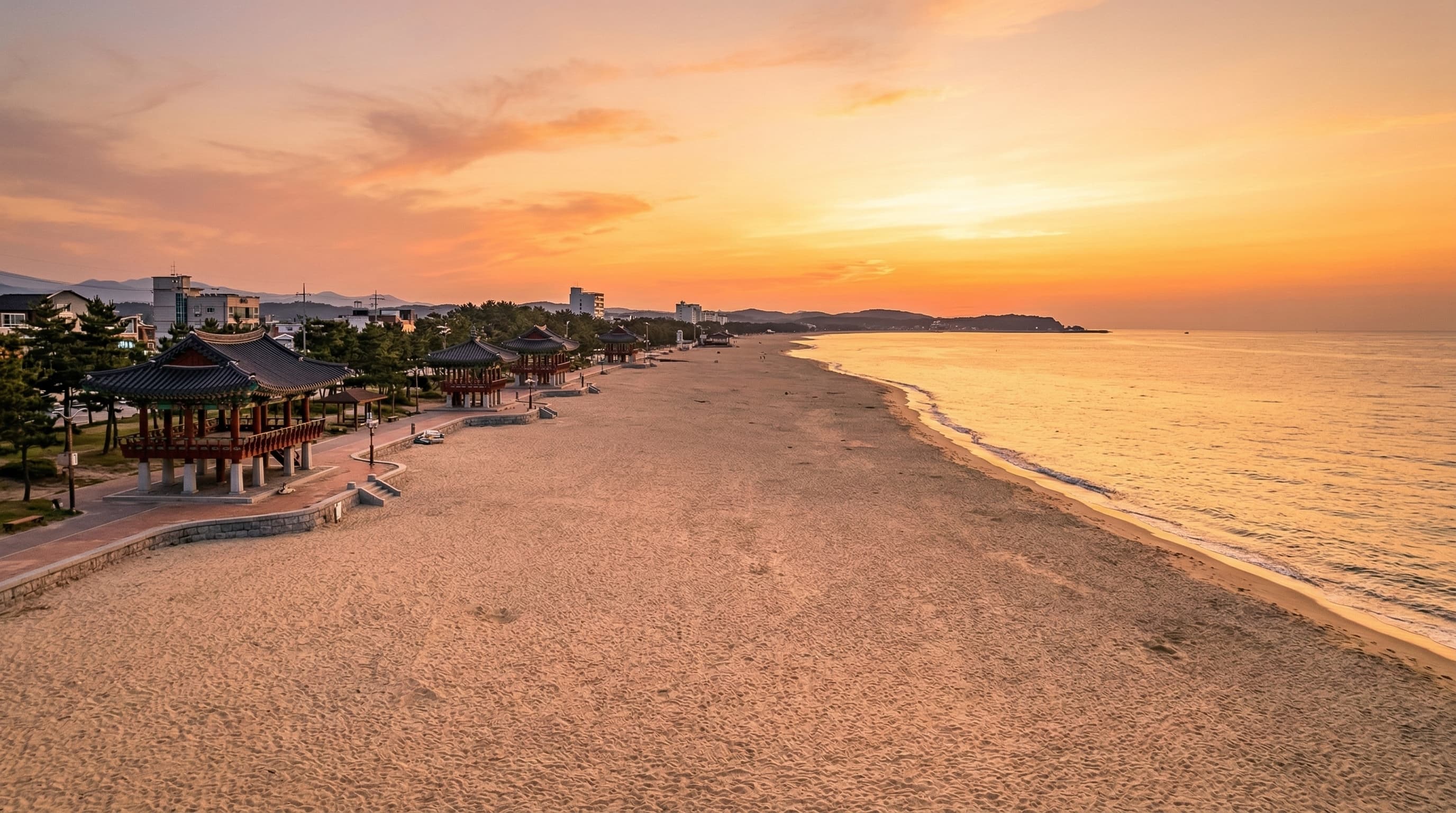
Stopover city
Cumulative route time: 1h 45m
Next leg
45m
from the previous stop
Coffee streets, beaches, markets, and rail access make Gangneung the most complete urban coast chapter in Gangwon.
Route role
Major coast-city reset
Why keep it
It gives travelers enough infrastructure to reset without losing the East Sea mood.
Why it matters
It gives travelers enough infrastructure to reset without losing the East Sea mood.
Recovery value
Recovery value depends on route pace, but Gangneung is most useful when you want the stop to improve the next leg rather than simply break distance.
Sleep and food
Use Gangneung as the easiest full-service overnight before Route 4 becomes more road-trip oriented again.
Next chapter
After Gangneung, the route starts leaning more clearly into the next chapter rather than the previous one.
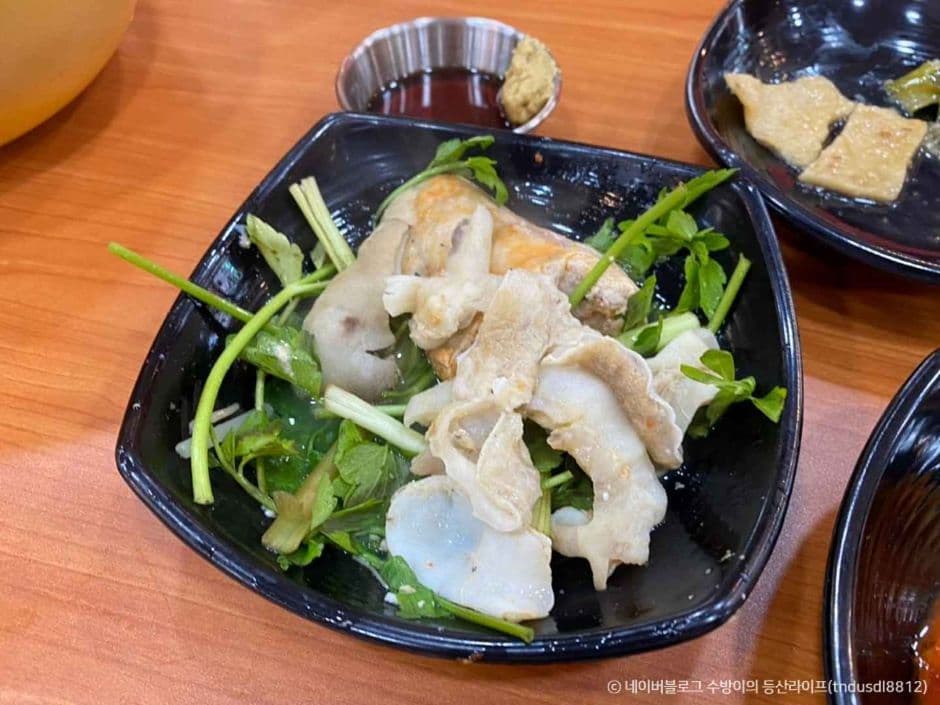
Stopover city
Cumulative route time: 2h 25m
Next leg
40m
from the previous stop
A port city where Mukho Lighthouse, Nongoldam-gil, Chuam rocks, and Mureung Valley pull maritime work, sunrise scenery, and mountain water together.
Route role
Port-and-sunrise connector
Why keep it
It keeps the road grounded in working-harbor history instead of letting Route 4 become a sequence of beaches only.
Why it matters
It keeps the road grounded in working-harbor history instead of letting Route 4 become a sequence of beaches only.
Recovery value
Recovery value depends on route pace, but Donghae is most useful when you want the stop to improve the next leg rather than simply break distance.
Sleep and food
Use Donghae when the itinerary wants a smaller port-city chapter before Samcheok and the quieter coast south.
Next chapter
After Donghae, the route starts leaning more clearly into the next chapter rather than the previous one.
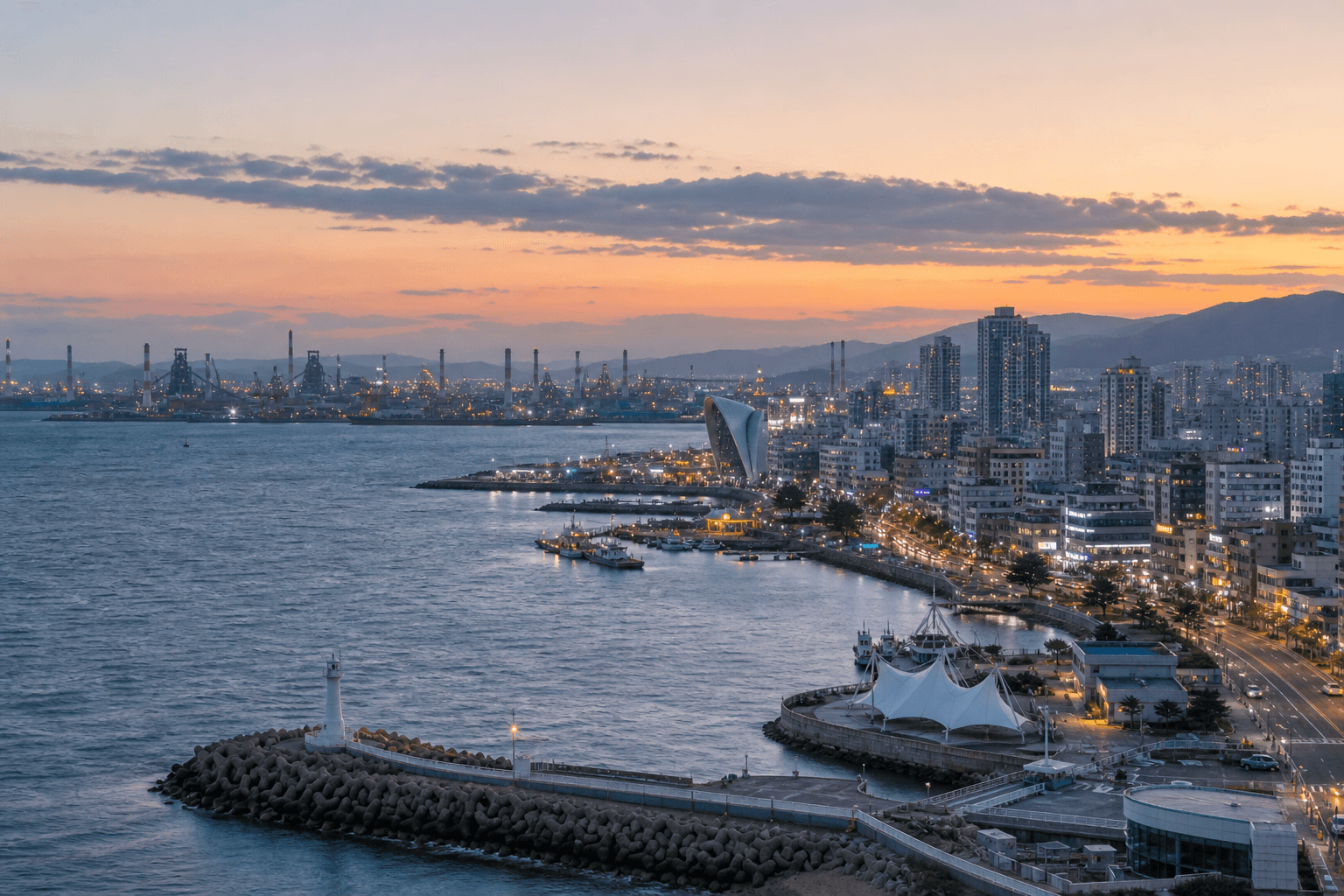
Stopover city
Cumulative route time: 6h 20m
Next leg
55m
from the previous stop
A steel-and-sea city where industrial Korea and open coast sit side by side before the route turns toward Gyeongju and Ulsan.
Route role
Late-coast hinge
Why keep it
It makes Route 4 feel contemporary, not only scenic or nostalgic.
Why it matters
It makes Route 4 feel contemporary, not only scenic or nostalgic.
Recovery value
Recovery value depends on route pace, but Pohang is most useful when you want the stop to improve the next leg rather than simply break distance.
Sleep and food
Use Pohang when the route needs services, stronger city scale, or a modern-industry chapter before the heritage handoff.
Next chapter
After Pohang, the route starts leaning more clearly into the next chapter rather than the previous one.
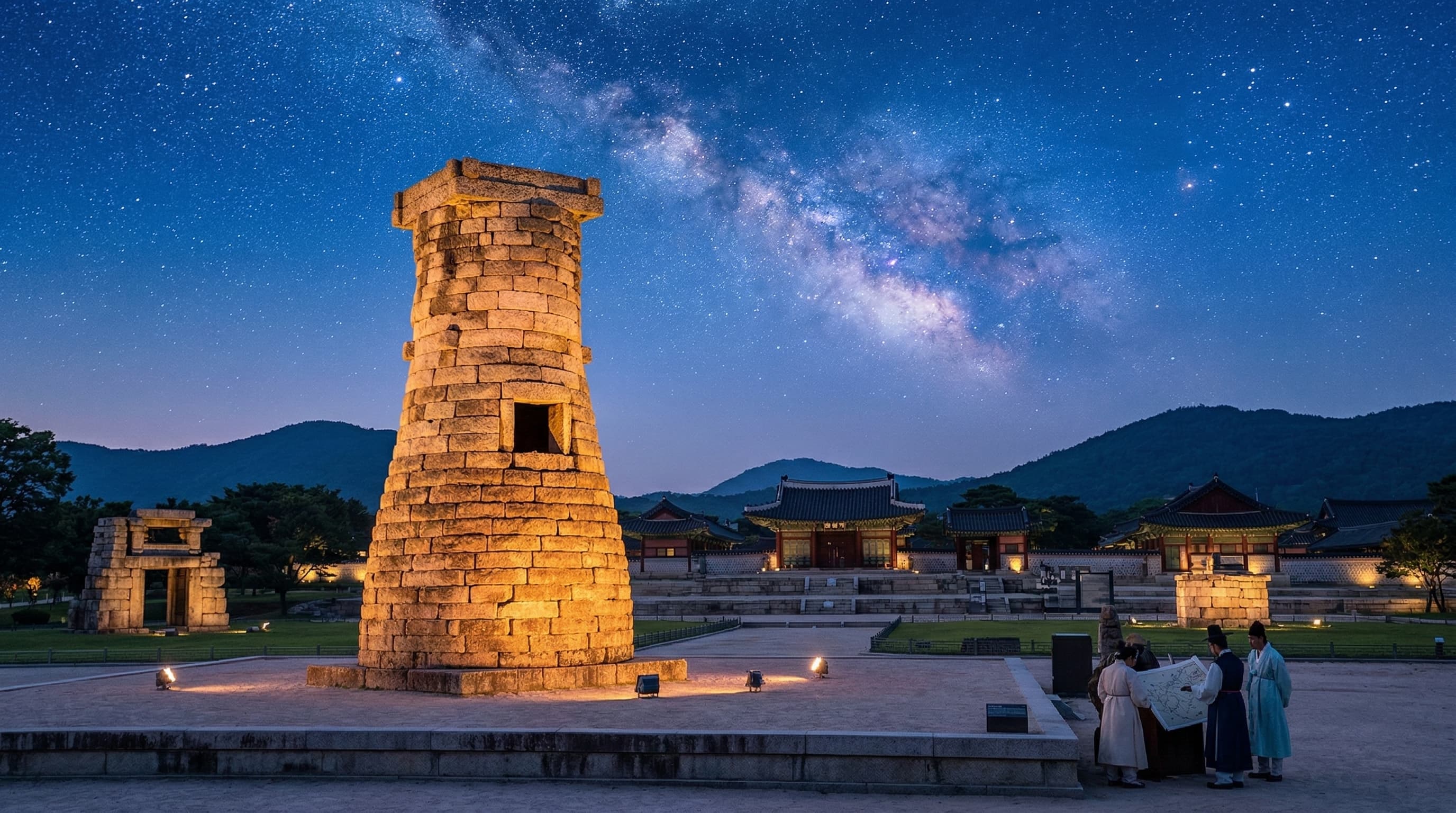
Stopover city
Cumulative route time: 7h 05m
Next leg
45m
from the previous stop
Korea’s Silla-era capital turns the coast route inward for one major heritage chapter before the final metropolitan south.
Route role
Heritage handoff
Why keep it
It gives Route 4 historical depth instead of letting the final third become only ports and expressway logic.
Why it matters
It gives Route 4 historical depth instead of letting the final third become only ports and expressway logic.
Recovery value
Recovery value depends on route pace, but Gyeongju is most useful when you want the stop to improve the next leg rather than simply break distance.
Sleep and food
Use Gyeongju as the highest-value cultural overnight before Ulsan and Busan.
Next chapter
After Gyeongju, the route starts leaning more clearly into the next chapter rather than the previous one.
Stopover city
Cumulative route time: 8h 50m
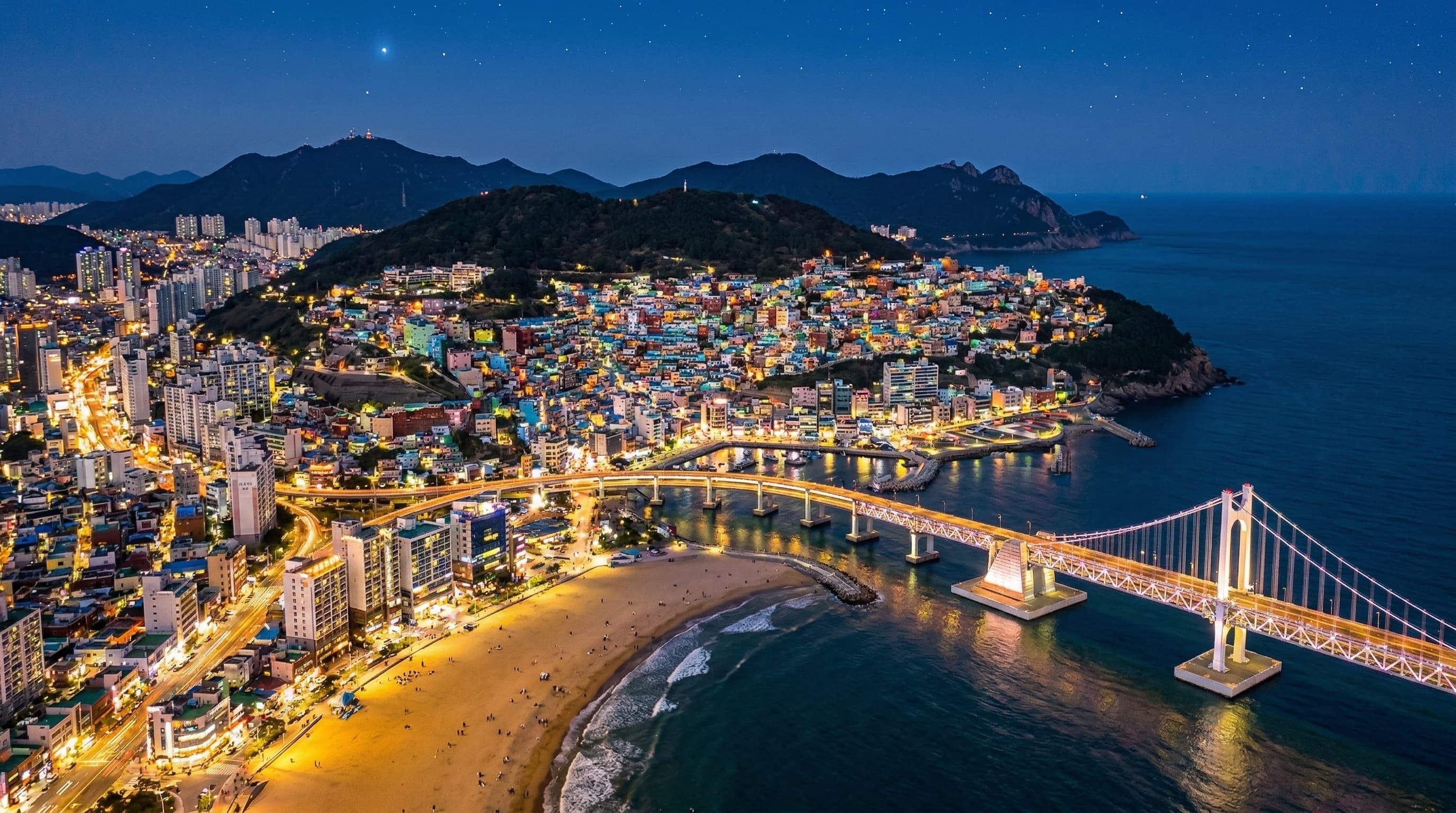
Korea’s major southern port closes the route with beaches, markets, hillsides, rail, ferries, and full-city arrival energy.
Route role
Southern finish
Why keep it
It resolves the full east coast line into Korea’s strongest port-city finish.
Why it matters
It resolves the full east coast line into Korea’s strongest port-city finish.
Recovery value
Recovery value depends on route pace, but Busan is most useful when you want the stop to improve the next leg rather than simply break distance.
Sleep and food
End with at least two nights if Route 4 has been paced slowly; Busan should feel like a finale, not a checkout point.
Next chapter
After Busan, the route starts leaning more clearly into the next chapter rather than the previous one.
Continue reading
The route gives the frame. These city guides give each stop enough context, texture, and local detail to read as a complete travel article.
Major coast-city reset
Coffee streets, beaches, markets, and rail access make Gangneung the most complete urban coast chapter in Gangwon.
Port-and-sunrise connector
A port city where Mukho Lighthouse, Nongoldam-gil, Chuam rocks, and Mureung Valley pull maritime work, sunrise scenery, and mountain water together.
Late-coast hinge
A steel-and-sea city where industrial Korea and open coast sit side by side before the route turns toward Gyeongju and Ulsan.
Heritage handoff
Korea’s Silla-era capital turns the coast route inward for one major heritage chapter before the final metropolitan south.
Route Search Questions
National Route 7 is best for a long east coast road trip, linking Goseong, Sokcho, Yangyang, Gangneung, Donghae, Samcheok, Uljin, Yeongdeok, Pohang, Gyeongju, Ulsan, and Busan.
Yes, but it should be treated as a multi-day coastal route rather than a single transfer. The value is the sequence of surf towns, ports, seafood, heritage, industrial coast, and Busan.
Ulsan shows modern coastal Korea through industry, Daewangam Park, Jangsaengpo whale memory, and the restored Taehwa River before the final Busan arrival.
Next move
Once the corridor and transport logic feel clear, use the linked city guides only for the places that genuinely improve your version of the route.