Editorial Guide
The city guide that helps you decide whether this stop fits the trip.
Reading Time
8 min guide
Best Use
Late-route resets and controlled southeast handoffs into Busan
Article Map
Why The System Picks Pohang Travel Guide — Road To Korea
A late-coast hinge city that helps the long eastbound line land cleanly before Busan.
From Seoul
KTX plus transfer, bus, or car • About 3 to 4 hours by rail mix, longer by coast drive
Ideal Stay
1 night
Route Logic
Best used as the final major coast-facing chapter before Busan.
Visual Preview
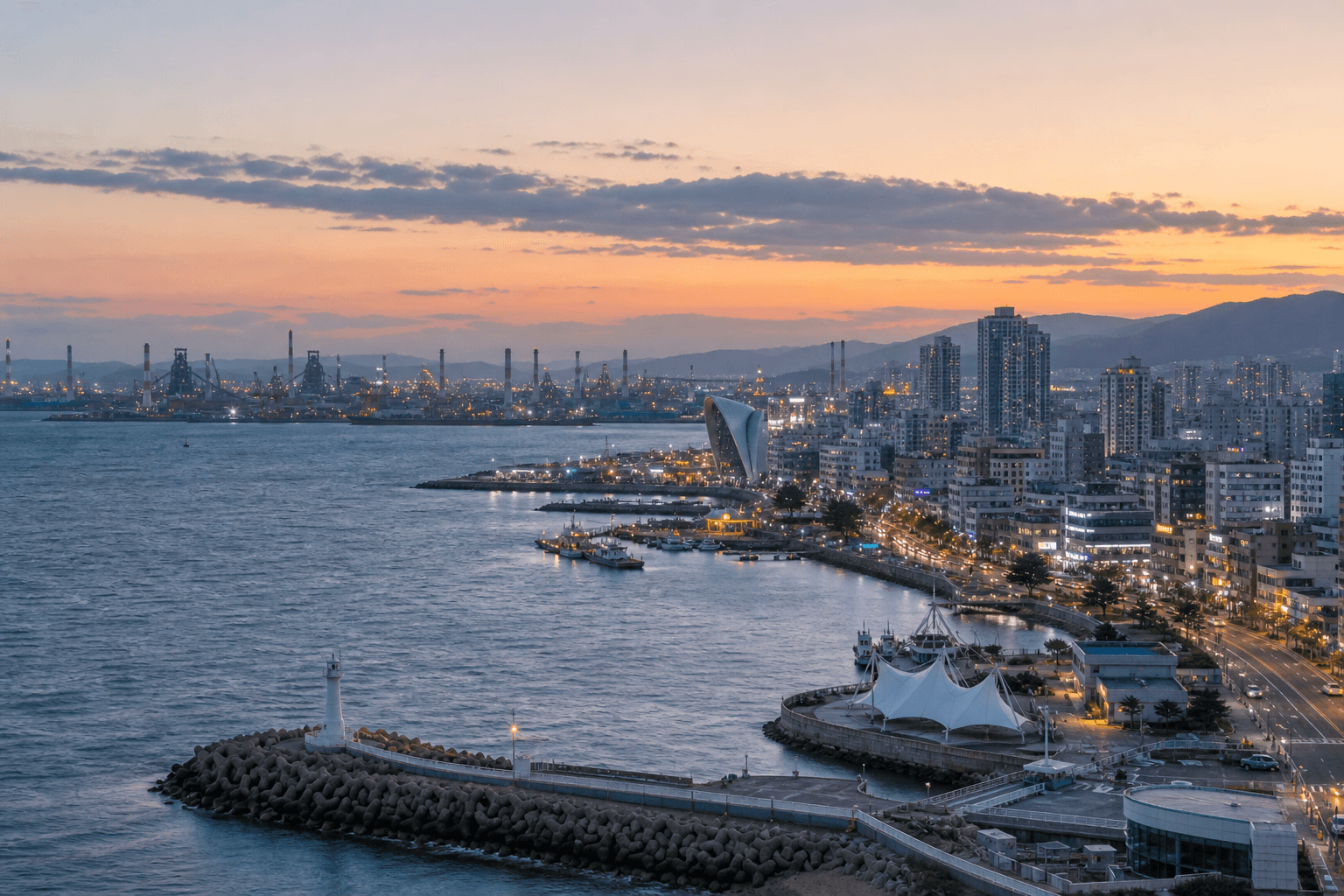
Opening image
Pohang Travel Guide — Road To Korea at a glance
A sea-facing industrial city that works as the strongest hinge between the long east coast and the final Busan approach.
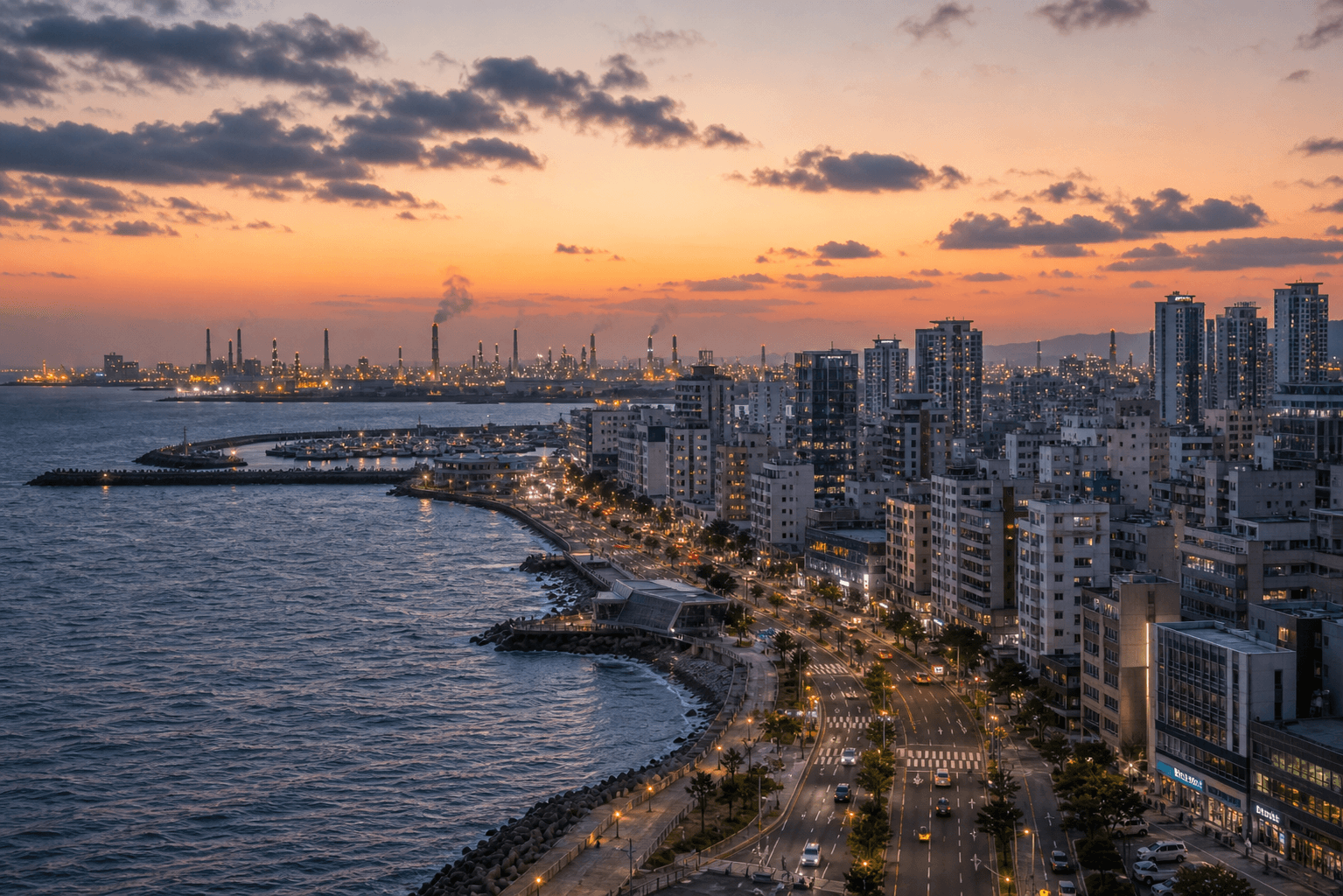
Hinge image
Homigot is where the coast still feels open even as the route tightens
Pohang works because it is not a pure inland service city. The sea is still visible, which helps the route close one coastal chapter before Busan begins another.
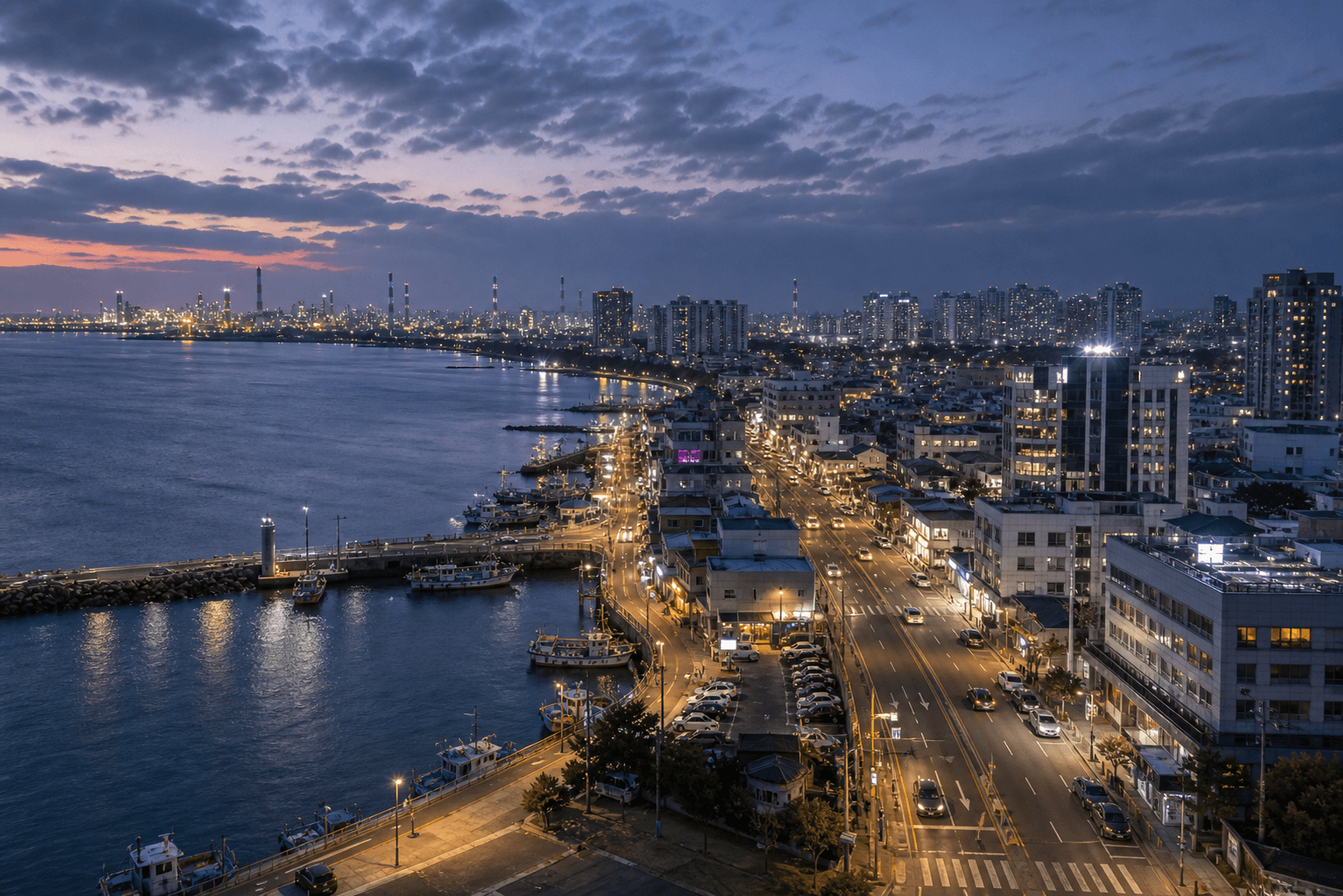
Late-route reset
A beach-facing city can still function like a practical handoff
Pohang's advantage is that it can restore control without killing the coastal mood. That combination is what makes it such a useful final overnight candidate.
From Seoul
How to reach Pohang Travel Guide — Road To Korea without overcomplicating the route.
Best Choice
KTX plus transfer, bus, or car
KTX is usually the cleanest option from Seoul when you want speed without turning the move into a puzzle.
Travel Window
About 3 to 4 hours by rail mix, longer by coast drive
Rail keeps the route simple: one decisive transfer, predictable timing, and an easy handoff into the city.
Slow Travel Note
Book around check-in and keep the first half-day light so the city still lands properly.
Local Support Map
Where Pohang turns the long coast into a controlled finish
Pohang is a hinge map. It matters because the coast route needs one final city that can absorb fatigue, restore control, and hand the trip cleanly toward Busan.
Yeongil Bay edge
A useful orientation point for understanding why Pohang still feels coastal even while functioning like a larger service city.
Practical stay grid
The best low-friction overnight area for a late-route stop with better city services than the smaller coast towns to the north.
Sea-facing stay edge
A softer stay choice for travelers who want one last coastal night before the route turns decisively toward Busan.
Late-route meal zone
A stronger dinner and resupply line for turning the last coast chapter into an actual reset, not just a stop for convenience.
Busan finish handoff
A directional point that frames Pohang as the end of the coast chapter and the beginning of the Busan finish.
Route Role
On the east coast line, Pohang is where wandering becomes arrival strategy. It gives the final stretch shape, control, and one last meaningful stop before Busan.
Support Summary
Pohang is the late-route hinge. It works because it is large enough to support the traveler, but still coastal enough that the route does not feel like it has ended too early.
Past and Present
Pohang matters because its older story and present life both change how this route feels.
Historical Weight
Pohang carries industrial, port, and sunrise memory on the southeast coast. It is not only a beach city; steel, harbor movement, Homigot sunrise culture, and city-scale services make it a serious late-route hinge.
Modern Identity
Modern Pohang mixes beaches, seafood, cafes, market streets, coastal parks, industry, and practical accommodation. It is large enough to reset the traveler before Gyeongju or Busan without losing sea identity.
Route Meaning
On Route 1, Pohang is the late coastal hinge. Yeongdeok opens the smaller coast, Pohang gives urban services and sunrise scale, and Gyeongju can then add heritage before Busan.
Stay Logic
A stay here is practical in a high-value way. It can keep the final day shorter, calmer, and more precise instead of sending the traveler into Busan already spent.
Food Logic
Food here works as both reset and reward. It is a stronger service-and-meal city than the smaller coastal towns just north of it.
Next Leg
After Pohang, the route no longer needs another big identity shift. The logic is to finish well, not to keep opening new chapters.
Where To Stay
Choose the stay zone that matches the route you want tomorrow.
These zones are not generic hotel advice. They are the clearest overnight shapes for keeping this stop aligned with the rest of Route 1.
Use the practical central stay
Best For
Travelers who want the cleanest final-night logistics before Busan.
This is the most useful option when the route needs a real reset with stronger services, easier dinner, and a cleaner departure.
Keep the sea-facing reset
Best For
Travelers who still want the coast to be emotionally present even during the final reset.
This preserves the route's shoreline identity while still giving the stop more urban control than the smaller towns to the north.
Stay Planning Fit
Where to stay in Pohang Travel Guide — Road To Korea depends on what the next leg needs.
Strongest stay-planning angle: one practical central-stay group and one sea-facing reset group for travelers who want Busan to start fresh the next day.
Stay planning
Sleep in Pohang Travel Guide — Road To Korea
If this stop becomes an overnight, compare a couple of booking platforms before you lock it in. Route logic gets better when the right city earns a real stay.
Decision Pattern
Use Pohang as the final overnight
Travelers who want to enter Busan with control instead of fatigue.
Pohang lets the east coast route end with intention, not with a long sloppy final descent into the metro finish.
Decision Pattern
Keep it as a reset city
Cyclists and drivers who need stronger services after many smaller coast chapters.
The city has enough scale to actually restore options, not just preserve the mood.
Decision Pattern
Let the coast finish here emotionally
Travelers who want Busan to feel like a new chapter instead of just the continuation of the same shoreline day.
Pohang is a useful place to close one route chapter before opening the final destination chapter.
Homigot is where the coast still feels open even as the route tightens
Pohang works because it is not a pure inland service city. The sea is still visible, which helps the route close one coastal chapter before Busan begins another.
Internal · Generated route editorial imageA beach-facing city can still function like a practical handoff
Pohang's advantage is that it can restore control without killing the coastal mood. That combination is what makes it such a useful final overnight candidate.
Internal · Generated route editorial image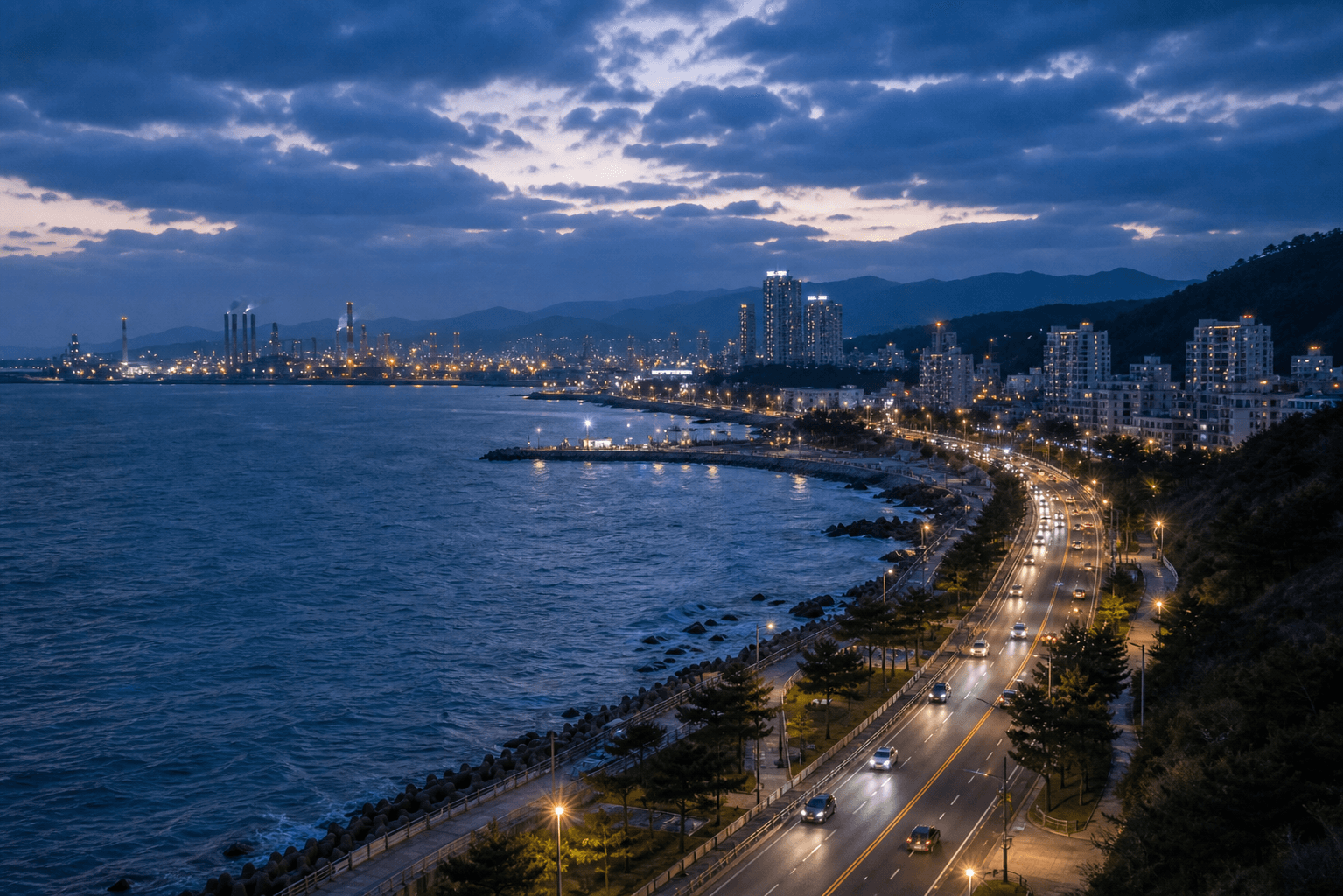
The final southbound day should start cleaner than it ends
Pohang becomes valuable when it protects the final approach. The point is not one more stop for its own sake, but a better launch into Busan.
Internal · Generated route editorial imageImage Pipeline
Every image slot has a production purpose.
hero
publish-ready
Hero should establish Pohang as the late coastal hinge before Gyeongju and Busan.
history
publish-ready
History slot should carry port, sunrise, and industrial-memory context without flattening the city.
present
publish-ready
Present slot should show beaches, food, markets, and useful city-scale coastal travel.
route
publish-ready
Route slot should connect Yeongdeok, Pohang, Gyeongju, and the final southeast approach.
street
publish-ready
Street slot should show seafood, cafe, beach-road, or harbor texture at traveler scale.
Local Reading
Why Pohang matters late
Pohang is not only another coastal city. It is the place where the long eastbound route can reorganize itself before the final Busan landing.
Local Reading
Why the hinge is valuable
Without a hinge city, the coast can end too abruptly. Pohang smooths that transition and gives the route one last service-rich, sea-facing chapter.
Local Reading
How to use the overnight
The best Pohang stay is one that protects the next day. That can mean better dinner, better sleep, easier departure, and less emotional drag entering Busan.
Local Reading
Why Pohang can hold stronger accommodation intent
Unlike the smaller coastal towns before it, Pohang has enough scale to justify a more deliberate stay choice. That makes hotel linking feel practical rather than opportunistic.
Local Reading
Why the city should not erase the sea
Pohang works best when it still feels sea-facing. If the page only sells city convenience, it loses the hinge quality that makes it meaningful before Busan.
Local Reading
Why this stop improves the final day
A good Pohang overnight does not just rest the traveler. It shortens the emotional distance to Busan and helps the final arrival feel chosen rather than endured.
Yeongil Bay edge
A useful orientation point for understanding why Pohang still feels coastal even while functioning like a larger service city.
Good for preserving sea-facing mood inside a city that also has practical late-route utility.
Practical stay grid
The best low-friction overnight area for a late-route stop with better city services than the smaller coast towns to the north.
Use this when the next day matters and the point is to arrive in Busan cleaner.
Sea-facing stay edge
A softer stay choice for travelers who want one last coastal night before the route turns decisively toward Busan.
This is strongest when maintaining mood matters almost as much as pure convenience.
Late-route meal zone
A stronger dinner and resupply line for turning the last coast chapter into an actual reset, not just a stop for convenience.
This is where commercial linking for stays and meals can later become especially useful.
Busan finish handoff
A directional point that frames Pohang as the end of the coast chapter and the beginning of the Busan finish.
Useful for helping the page conclude with next-leg logic rather than a static city summary.
Trip Questions
What travelers usually mean when they search for Pohang Travel Guide — Road To Korea.
Pohang Korea port city and sunrise stop before Gyeongju and Busan
Route intent
Coast intent
Food intent
Why does Pohang matter before Gyeongju?
Pohang gives the route a large coastal service city, sunrise identity, seafood, and a clean handoff toward Gyeongju.
Is Pohang only an industrial city?
No. Industry is part of the story, but beaches, seafood, markets, and Homigot sunrise make it a travel city too.
The Late-Coast Hinge
A sea-facing industrial city that works as the strongest hinge between the long east coast and the final Busan approach.
Pohang matters because it turns the last stretch of the coast into a controlled handoff instead of a rushed descent. It combines service infrastructure, shoreline mood, and late-route practicality better than smaller coastal stops can.
Pohang is a hinge map. It matters because the coast route needs one final city that can absorb fatigue, restore control, and hand the trip cleanly toward Busan.
Pohang is the late-route hinge. It works because it is large enough to support the traveler, but still coastal enough that the route does not feel like it has ended too early.
On the east coast line, Pohang is where wandering becomes arrival strategy. It gives the final stretch shape, control, and one last meaningful stop before Busan.
How to Use Pohang in a Korea Itinerary
Pohang is easiest to understand as a planning tool. Instead of asking whether it can compete with Seoul, Busan, Jeju, or Gyeongju, look at the job it performs inside the trip: it can slow down a long transfer, turn a regional corridor into a real journey, or give a traveler a lower-pressure night before the next larger destination.
For first-time visitors to Korea, that role matters. Many itineraries become too dependent on headline cities, which creates long travel days and very little sense of the regions in between. A stop like this helps the route breathe while still keeping the schedule practical for trains, express buses, rental cars, or a slower cycling and road-trip pace.
What Makes Pohang Worth Planning
Why Pohang matters late
Pohang is not only another coastal city. It is the place where the long eastbound route can reorganize itself before the final Busan landing.
Why the hinge is valuable
Without a hinge city, the coast can end too abruptly. Pohang smooths that transition and gives the route one last service-rich, sea-facing chapter.
How to use the overnight
The best Pohang stay is one that protects the next day. That can mean better dinner, better sleep, easier departure, and less emotional drag entering Busan.
Why Pohang can hold stronger accommodation intent
Unlike the smaller coastal towns before it, Pohang has enough scale to justify a more deliberate stay choice. That makes hotel linking feel practical rather than opportunistic.
Why the city should not erase the sea
Pohang works best when it still feels sea-facing. If the page only sells city convenience, it loses the hinge quality that makes it meaningful before Busan.
Why this stop improves the final day
A good Pohang overnight does not just rest the traveler. It shortens the emotional distance to Busan and helps the final arrival feel chosen rather than endured.
Best Ways to Plan the Stop
- Use Pohang as the final overnight Travelers who want to enter Busan with control instead of fatigue. Pohang lets the east coast route end with intention, not with a long sloppy final descent into the metro finish.
- Keep it as a reset city Cyclists and drivers who need stronger services after many smaller coast chapters. The city has enough scale to actually restore options, not just preserve the mood.
- Let the coast finish here emotionally Travelers who want Busan to feel like a new chapter instead of just the continuation of the same shoreline day. Pohang is a useful place to close one route chapter before opening the final destination chapter.
Food, Stay, and Local Rhythm
Food here works as both reset and reward. It is a stronger service-and-meal city than the smaller coastal towns just north of it.
A stay here is practical in a high-value way. It can keep the final day shorter, calmer, and more precise instead of sending the traveler into Busan already spent.
Where to Stay
- Use the practical central stay – Central stay zone – Travelers who want the cleanest final-night logistics before Busan. – This is the most useful option when the route needs a real reset with stronger services, easier dinner, and a cleaner departure.
- Keep the sea-facing reset – Bay-side edge – Travelers who still want the coast to be emotionally present even during the final reset. – This preserves the route's shoreline identity while still giving the stop more urban control than the smaller towns to the north.
Places and Checkpoints to Consider
- Yeongil Bay edge – Sea-facing hinge – A useful orientation point for understanding why Pohang still feels coastal even while functioning like a larger service city. – Good for preserving sea-facing mood inside a city that also has practical late-route utility.
- Practical stay grid – Central stay zone – The best low-friction overnight area for a late-route stop with better city services than the smaller coast towns to the north. – Use this when the next day matters and the point is to arrive in Busan cleaner.
- Sea-facing stay edge – Bay-side reset – A softer stay choice for travelers who want one last coastal night before the route turns decisively toward Busan. – This is strongest when maintaining mood matters almost as much as pure convenience.
- Late-route meal zone – Dinner corridor – A stronger dinner and resupply line for turning the last coast chapter into an actual reset, not just a stop for convenience. – This is where commercial linking for stays and meals can later become especially useful.
- Busan finish handoff – Final southern leg – A directional point that frames Pohang as the end of the coast chapter and the beginning of the Busan finish. – Useful for helping the page conclude with next-leg logic rather than a static city summary.
Getting There and Moving On
Most travelers should check both rail and express-bus options before fixing Pohang in the schedule. Korea’s rail network is fast between major hubs, but buses can be more direct for secondary cities and coastal or inland support stops. If the route includes several smaller destinations, compare total door-to-door time rather than looking only at the fastest single segment.
After Pohang, the route no longer needs another big identity shift. The logic is to finish well, not to keep opening new chapters.
Best Season and Trip Length
Spring and autumn are the easiest seasons for most Korea routes because walking, station transfers, markets, gardens, coast paths, and temple visits all become more comfortable. Summer can still work, but build in shade and earlier starts. Winter is better for food-led stops, hot springs, city walks, and quieter scenery than for ambitious outdoor days.
For most visitors, Pohang works as either a focused day stop or a one-night pause. Add a second night only if the trip is deliberately slow, if you are using the city as a base for nearby places, or if recovery is more important than covering distance.
Frequently Asked Questions
Is Pohang worth visiting on a first Korea trip?
Pohang is worth considering if your itinerary already passes through the region or if you want a more balanced route between major cities. It is not always a replacement for a headline destination, but it can make the overall journey feel less rushed and more connected.
How long should I spend in Pohang?
Plan a half day if you only need a meal, walk, and transfer break. Plan one night if the stop is meant to reset the pace, support an early departure, or give the route a clearer regional chapter.
Should I travel by train, bus, or car?
Use trains for major-city connections when the timetable is direct. Use express buses when they reduce transfers. Use a car when the value of the stop depends on nearby viewpoints, coast roads, rural areas, or flexible departure times.
Practical Info
- Check Naver Map or KakaoMap for local transit because Korean mapping coverage is stronger there than in many global apps.
- Carry a transport card for buses and subways, but keep a backup payment card for taxis, lockers, and smaller terminals.
- Book lodging near the station, terminal, or next-day departure road unless the stop is specifically built around a scenic area.
- Save the Korean name of your hotel and first destination before arrival; it makes taxi and local bus questions much easier.