Editorial Guide
The city guide that helps you decide whether this stop fits the trip.
Reading Time
5 min guide
Best Use
Use this as a slower city chapter, not a checklist.
Article Map
Visual Preview
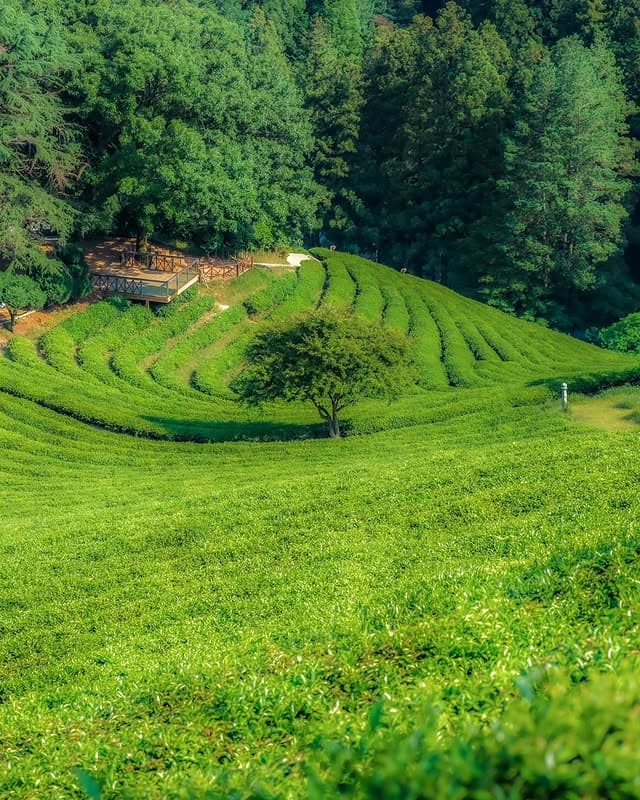
Opening image
Boseong at a glance
A terraced green-tea landscape where Daehan Dawon, rural south-coast scenery, and slow pacing reset the route before Suncheon.
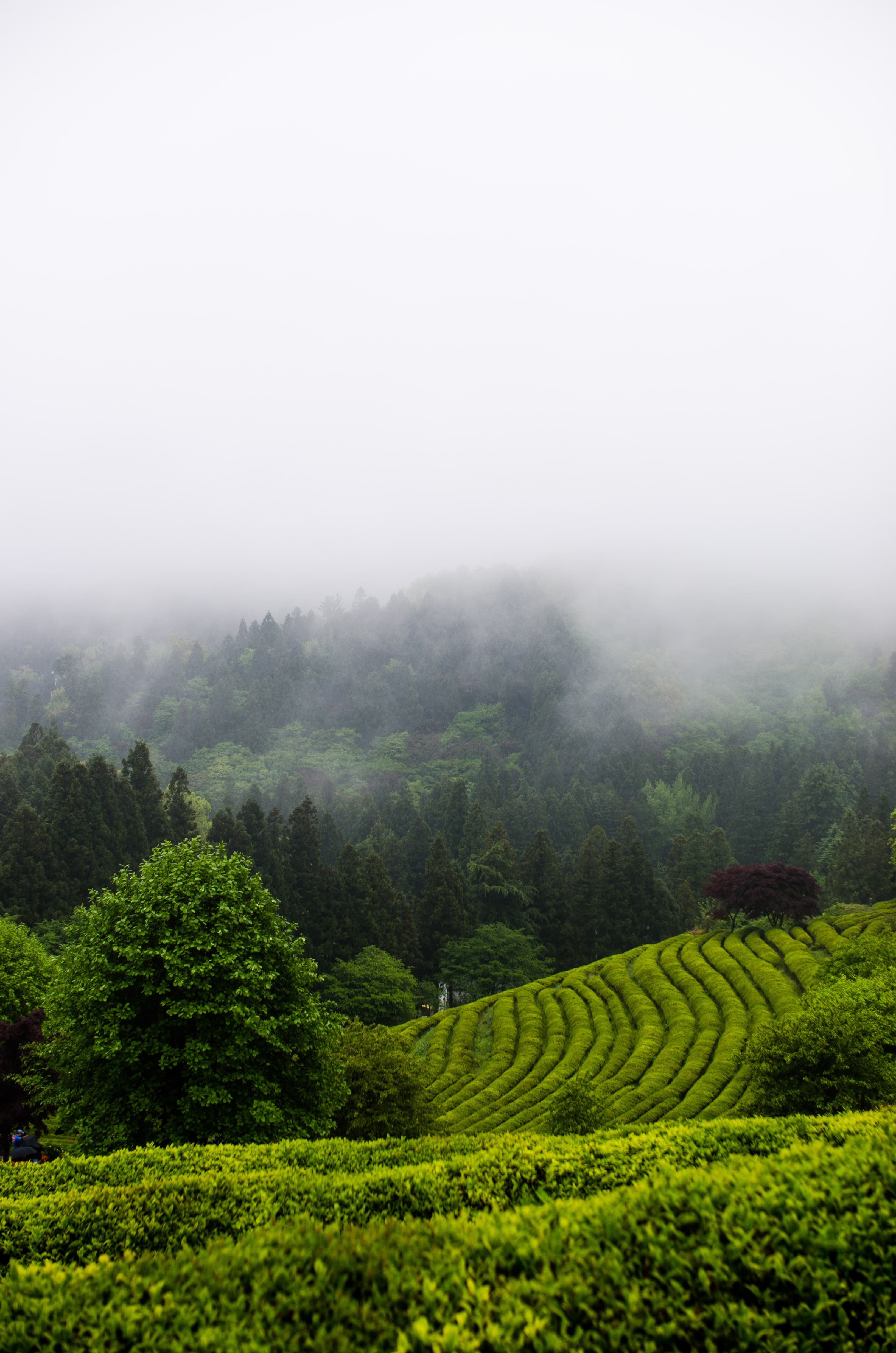
Green tea
Daehan Dawon makes Boseong visible
Use tea-field imagery as the primary proof of place.

Rural pause
Tea food and rural roads keep the stop useful
The present-tense layer should include tea, cafes, rural roads, and local meals.
From Seoul
How to reach Boseong without overcomplicating the route.
Best Choice
Route guidance
Pick the route that preserves energy on arrival instead of chasing tiny time savings.
Travel Window
Timing in progress
The calmer transfer is usually the better one when the point is to stay deeper.
Slow Travel Note
Treat the move from Seoul as part of the travel mood, not just a logistics problem.
Local Support Map
Where Boseong slows Route 7 into green tea fields
Boseong is the tea-field pause between Wando and Suncheon, built around green tea, Daehan Dawon, rural roads, and quiet Jeolla scenery.
Daehan Dawon tea fields
The route's green-tea visual proof.
Green tea food and cafe zone
The edible present-tense layer.
Suncheon handoff line
The move from tea fields to wetlands.
Route Role
Its role is to give the south coast a calm, globally legible landscape chapter.
Support Summary
Boseong gives Route 7 green tea, Daehan Dawon, rural landscape, tea food, cafes, scenic roads, and a clean Suncheon handoff.
Past and Present
Boseong matters because its older story and present life both change how this route feels.
Historical Weight
Boseong carries agricultural landscape memory, green-tea production, rural Jeolla texture, coastal hills, and the slower inland-side rhythm of the south coast.
Modern Identity
Modern Boseong is searchable and visually clear through Daehan Dawon, green tea fields, tea food, cafe culture, scenic roads, and a calm stay before Suncheon.
Route Meaning
On Route 7, Boseong is the green-tea pause between island road and ecological city. It gives the route an iconic landscape that English-speaking travelers can remember immediately.
Stay Logic
Use Boseong as a half-day or gentle overnight when the route needs a visual reset before Suncheon.
Food Logic
Green-tea desserts, local meals, cafes, and simple rural food should support the tea-field story.
Next Leg
After Boseong, Suncheon turns the route into wetland ecology and garden scale.
Stay planning
Sleep in Boseong
If this stop becomes an overnight, compare a couple of booking platforms before you lock it in. Route logic gets better when the right city earns a real stay.
Decision Pattern
Stop for the iconic landscape
First-time south-coast travelers.
The tea fields give Route 7 a memorable visual anchor.
Decision Pattern
Keep it slow
Travelers who need recovery between island and city chapters.
Boseong works best as a reset before Suncheon and Yeosu.
Daehan Dawon makes Boseong visible
Use tea-field imagery as the primary proof of place.
External reference · Boseong green tea referenceTea food and rural roads keep the stop useful
The present-tense layer should include tea, cafes, rural roads, and local meals.
External reference · Boseong tea referenceImage Pipeline
Every image slot has a production purpose.
hero
replace-soon
Hero should show Boseong's green tea fields as the calm Route 7 landscape reset.
history
replace-soon
History slot should show Daehan Dawon or tea-production context rather than generic greenery.
present
replace-soon
Present slot should show tea food, cafes, field walks, or local green-tea travel.
route
replace-soon
Route slot should show Boseong linking Wando island road to Suncheon ecology.
street
replace-soon
Street slot should capture rural Jeolla lanes, tea shops, food, and quieter south-coast pacing.
Local Reading
The tea fields are the visual hook
Daehan Dawon makes Boseong instantly understandable to travelers who do not yet know the south coast.
Local Reading
It should not be only a photo stop
Tea food, cafes, rural roads, and slower pacing make the city useful inside a real itinerary.
Local Reading
Why Suncheon follows
Suncheon continues the landscape intelligence through wetlands and national-garden scale.
Daehan Dawon tea fields
The route's green-tea visual proof.
Use as hero or present image.
Green tea food and cafe zone
The edible present-tense layer.
Keeps the stop from being only a photo.
Suncheon handoff line
The move from tea fields to wetlands.
This prepares the ecology chapter.
Trip Questions
What travelers usually mean when they search for Boseong.
Boseong Korea green tea fields Daehan Dawon south coast stop
Route intent
Tea intent
Landscape intent
Why include Boseong between Wando and Suncheon?
Boseong gives Route 7 a calm green-tea landscape between island travel and Suncheon ecology.
What is Boseong known for?
Boseong is known for green tea fields, Daehan Dawon, tea food and cafes, rural scenery, and a slow south-coast travel pace.
Cultural Insight
What makes Boseong feel worth the move from Seoul.
Boseong matters because it gives Route 7 a calm, globally legible visual identity. Daehan Dawon, green tea, rolling fields, local food, and the Suncheon handoff help the route breathe between islands and ecology.