Editorial Guide
The city guide that helps you decide whether this stop fits the trip.
Reading Time
7 min guide
Best Use
Cyclists, late inland resets, and travelers who want one more calm chapter before Busan
Article Map
Why The System Picks Changnyeong Travel Guide — Road To Korea
A quieter lower-river route chapter where the inland line calms down before the final southeast finish.
From Seoul
Car or cycling route support • Usually reached as a late Route 1 stop rather than a direct Seoul destination
Ideal Stay
1 night
Route Logic
Hands off naturally into the final Busan approach.
Visual Preview
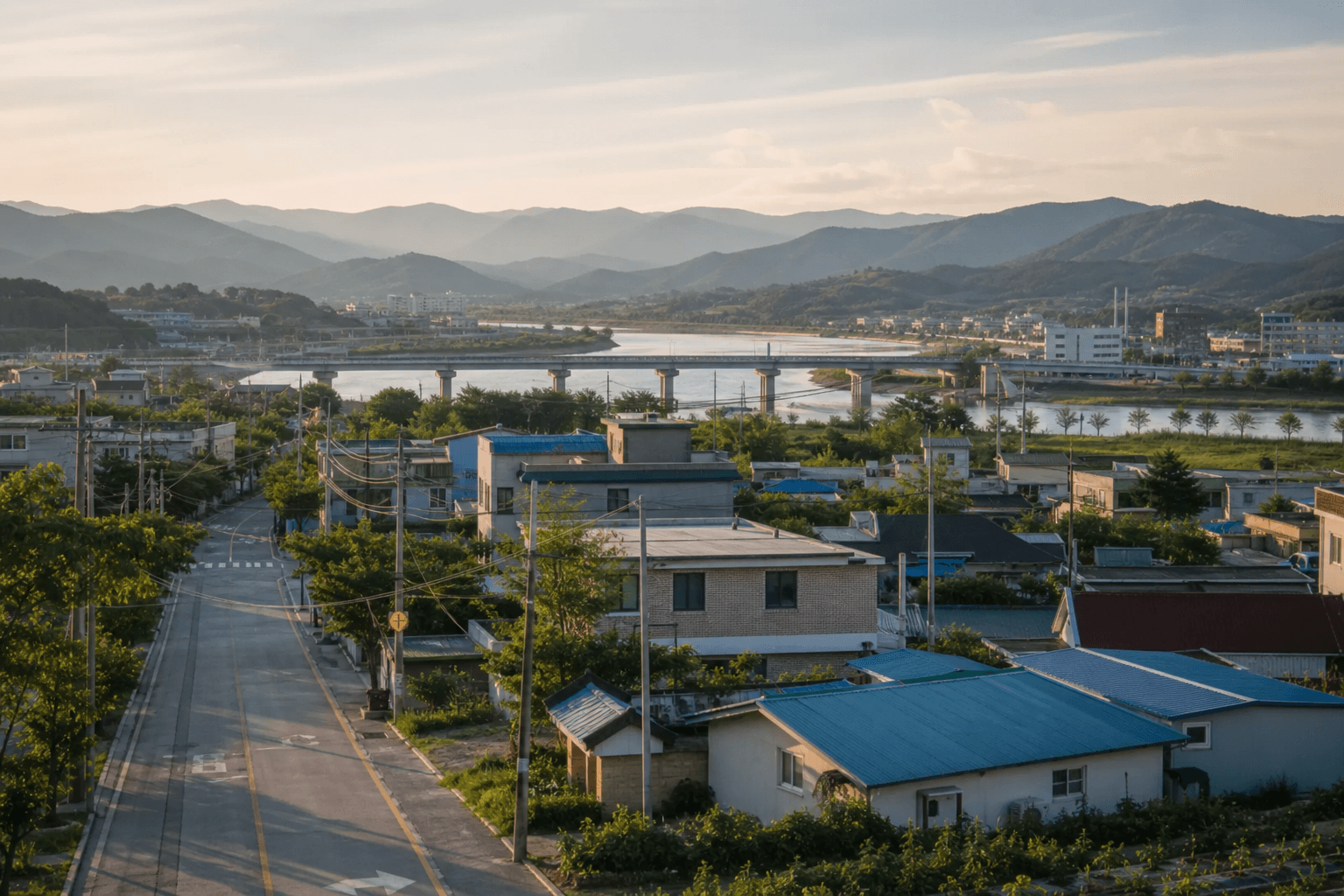
Opening image
Changnyeong Travel Guide — Road To Korea at a glance
A quieter Nakdong-side chapter where the route regains calm before the final approach to Busan.
Late calm
Changnyeong is where the lower river chooses recovery over one last performance
This stop matters because the route can get stronger by quieting down. It is a late-stage reset, not a missed climax.
From Seoul
How to reach Changnyeong Travel Guide — Road To Korea without overcomplicating the route.
Best Choice
Car or cycling route support
Pick the route that preserves energy on arrival instead of chasing tiny time savings.
Travel Window
Usually reached as a late Route 1 stop rather than a direct Seoul destination
The calmer transfer is usually the better one when the point is to stay deeper.
Slow Travel Note
Treat the move from Seoul as part of the travel mood, not just a logistics problem.
Local Support Map
Where the lower-river line calms before Busan
Changnyeong is a late-route support map. It matters when the lower Nakdong chapter needs one more calm overnight, a practical meal, or a reset before the final push.
Quiet central stay grid
A low-friction overnight area when the late route should stay calm.
Late-route meal line
A practical dinner-and-breakfast corridor that suits a simple final reset.
Lower-river reset edge
A calmer edge that explains why this city is useful in the late route chapter.
Busan handoff line
The line where the late calm turns into the final metropolitan finish.
Wellness-adjacent reset pocket
A stronger proof point for users who need more than a meal and a bed before the final push.
Morning departure pocket
A simple launch area for an unfussy early start when the final approach to Busan should feel spacious and controlled.
Route Role
This is the place where Route 1 sheds final fatigue and stops searching for one more big city. Its job is to keep the finish composed rather than overworked.
Support Summary
Changnyeong works as a late lower-river recovery node. It is quieter than Daegu and more useful when the route needs one more body-and-route reset before Busan.
Past and Present
Changnyeong matters because its older story and present life both change how this route feels.
Historical Weight
Changnyeong carries lower-river and wetland memory in a quieter part of the southbound line. Upo Wetland and small-town pacing make it a calm ecological counterpoint before Busan.
Modern Identity
Modern Changnyeong works through Upo Wetland, hot-spring recovery, simple food, modest stays, and a lower-pressure rhythm that helps the route avoid one loud city after another.
Route Meaning
On Route 1, Changnyeong is a late recovery node before Busan. It gives the traveler a softer nature-and-rest chapter after Daegu and before the route becomes fully urban again.
Stay Logic
Most stays here should be simple, quiet, and recovery-led rather than urban and ambitious. The city is valuable when it keeps the finish cleaner and less forced.
Food Logic
Use Changnyeong for restorative meals that support rest and continuation: simple dinners, easy breakfasts, and warmer low-friction fuel before the last push.
Next Leg
After Changnyeong, the route should feel resolved enough to let Busan arrive as arrival rather than rescue. This stop is strongest when it converts recovery into finish momentum.
Where To Stay
Choose the stay zone that matches the route you want tomorrow.
These zones are not generic hotel advice. They are the clearest overnight shapes for keeping this stop aligned with the rest of Route 1.
Hold a quiet town-core stay
Best For
Late-route recovery stays with the easiest dinner-sleep-breakfast sequence.
This is the cleanest place to shut the day down early and protect the Busan finish with the least mental friction.
Lean into the lower-river edge
Best For
Riders and slower late-route users who want a body-reset version of the finish setup.
This side emphasizes spaciousness and quiet, which is exactly what makes Changnyeong useful before the metropolitan finish.
Stay Planning Fit
Where to stay in Changnyeong Travel Guide — Road To Korea depends on what the next leg needs.
Strongest stay-planning angle: calm practical stays for riders and slower lower-river users who want Busan to begin from a rested position.
Stay planning
Sleep in Changnyeong Travel Guide — Road To Korea
If this stop becomes an overnight, compare a couple of booking platforms before you lock it in. Route logic gets better when the right city earns a real stay.
Decision Pattern
Keep Changnyeong for recovery, not excitement
Cyclists, slower self-drives, and travelers who want to reach Busan with composure instead of drag.
This stop earns its place when the finish needs quieter sleep, easier legs, and less final-day friction.
Decision Pattern
Use Changnyeong instead of one more major-city night
Users who already got their city energy earlier and now want the route to taper intelligently.
It gives the lower river one final restorative chapter before the metropolitan finish takes over.
Changnyeong is where the lower river chooses recovery over one last performance
This stop matters because the route can get stronger by quieting down. It is a late-stage reset, not a missed climax.
Project editorial asset · Generated route editorial imageImage Pipeline
Every image slot has a production purpose.
hero
publish-ready
Hero should show Changnyeong as a quiet lower-river recovery node.
history
replace-soon
History slot should eventually show Upo Wetland, lower-river memory, or small-town continuity.
present
publish-ready
Present slot should show recovery, modest stays, food, wetland travel, or hot-spring logic.
route
publish-ready
Route slot should show late-route calm after Daegu and before Busan.
street
replace-soon
Street slot should capture small-town food, local lodging, and quiet reset texture.
Local Reading
Why keep a quieter southern city
Changnyeong matters because not every late route user wants another major city before Busan. Sometimes the best final stop is the one that lets the journey breathe.
Local Reading
Why this stop is especially useful for riders
Cycling and slower inland users benefit from a place that offers recovery without reintroducing big-city friction. Changnyeong can do that better than a louder stop.
Local Reading
How it prepares the finish
This is the kind of stop that helps the final arrival land cleanly. It preserves legs, clears the route, and avoids overstaging the end.
Quiet central stay grid
A low-friction overnight area when the late route should stay calm.
Best for preserving legs and avoiding one more complicated city night.
Late-route meal line
A practical dinner-and-breakfast corridor that suits a simple final reset.
The point is to support the finish, not to turn the stop into an event.
Lower-river reset edge
A calmer edge that explains why this city is useful in the late route chapter.
This is where the route can regain quiet before Busan becomes imminent.
Busan handoff line
The line where the late calm turns into the final metropolitan finish.
After this point, Route 1 should feel like it is arriving rather than searching.
Wellness-adjacent reset pocket
A stronger proof point for users who need more than a meal and a bed before the final push.
This helps explain why Changnyeong can function as a body-reset stop rather than only a quiet town on the map.
Morning departure pocket
A simple launch area for an unfussy early start when the final approach to Busan should feel spacious and controlled.
Useful when the right move is to turn a restful night directly into cleaner finish momentum.
Trip Questions
What travelers usually mean when they search for Changnyeong Travel Guide — Road To Korea.
Changnyeong Korea wetland recovery stop before Busan
Route intent
Nature intent
Recovery intent
Why stop in Changnyeong before Busan?
Changnyeong gives the route a quieter nature-and-recovery chapter before the final urban arrival.
What is Changnyeong known for?
Upo Wetland, lower-river calm, hot-spring recovery, small-town pacing, and a softer route mood.
The Lower-River Calm
A quieter Nakdong-side chapter where the route regains calm before the final approach to Busan.
Changnyeong matters when the late inland or cycling route needs to exhale. It gives the southern half of Route 1 a lower-pressure reset before the final city energy returns.
Changnyeong is a late-route support map. It matters when the lower Nakdong chapter needs one more calm overnight, a practical meal, or a reset before the final push.
Changnyeong works as a late lower-river recovery node. It is quieter than Daegu and more useful when the route needs one more body-and-route reset before Busan.
This is the place where Route 1 sheds final fatigue and stops searching for one more big city. Its job is to keep the finish composed rather than overworked.
How to Use Changnyeong in a Korea Itinerary
Changnyeong is easiest to understand as a planning tool. Instead of asking whether it can compete with Seoul, Busan, Jeju, or Gyeongju, look at the job it performs inside the trip: it can slow down a long transfer, turn a regional corridor into a real journey, or give a traveler a lower-pressure night before the next larger destination.
For first-time visitors to Korea, that role matters. Many itineraries become too dependent on headline cities, which creates long travel days and very little sense of the regions in between. A stop like this helps the route breathe while still keeping the schedule practical for trains, express buses, rental cars, or a slower cycling and road-trip pace.
What Makes Changnyeong Worth Planning
Why keep a quieter southern city
Changnyeong matters because not every late route user wants another major city before Busan. Sometimes the best final stop is the one that lets the journey breathe.
Why this stop is especially useful for riders
Cycling and slower inland users benefit from a place that offers recovery without reintroducing big-city friction. Changnyeong can do that better than a louder stop.
How it prepares the finish
This is the kind of stop that helps the final arrival land cleanly. It preserves legs, clears the route, and avoids overstaging the end.
Best Ways to Plan the Stop
- Keep Changnyeong for recovery, not excitement Cyclists, slower self-drives, and travelers who want to reach Busan with composure instead of drag. This stop earns its place when the finish needs quieter sleep, easier legs, and less final-day friction.
- Use Changnyeong instead of one more major-city night Users who already got their city energy earlier and now want the route to taper intelligently. It gives the lower river one final restorative chapter before the metropolitan finish takes over.
Food, Stay, and Local Rhythm
Use Changnyeong for restorative meals that support rest and continuation: simple dinners, easy breakfasts, and warmer low-friction fuel before the last push.
Most stays here should be simple, quiet, and recovery-led rather than urban and ambitious. The city is valuable when it keeps the finish cleaner and less forced.
Where to Stay
- Hold a quiet town-core stay – Town core – Late-route recovery stays with the easiest dinner-sleep-breakfast sequence. – This is the cleanest place to shut the day down early and protect the Busan finish with the least mental friction.
- Lean into the lower-river edge – Nakdong side – Riders and slower late-route users who want a body-reset version of the finish setup. – This side emphasizes spaciousness and quiet, which is exactly what makes Changnyeong useful before the metropolitan finish.
Places and Checkpoints to Consider
- Quiet central stay grid – Town core – A low-friction overnight area when the late route should stay calm. – Best for preserving legs and avoiding one more complicated city night.
- Late-route meal line – Central streets – A practical dinner-and-breakfast corridor that suits a simple final reset. – The point is to support the finish, not to turn the stop into an event.
- Lower-river reset edge – Nakdong side – A calmer edge that explains why this city is useful in the late route chapter. – This is where the route can regain quiet before Busan becomes imminent.
- Busan handoff line – Final southbound line – The line where the late calm turns into the final metropolitan finish. – After this point, Route 1 should feel like it is arriving rather than searching.
- Wellness-adjacent reset pocket – Recovery side pocket – A stronger proof point for users who need more than a meal and a bed before the final push. – This helps explain why Changnyeong can function as a body-reset stop rather than only a quiet town on the map.
- Morning departure pocket – Southbound launch side – A simple launch area for an unfussy early start when the final approach to Busan should feel spacious and controlled. – Useful when the right move is to turn a restful night directly into cleaner finish momentum.
Getting There and Moving On
Most travelers should check both rail and express-bus options before fixing Changnyeong in the schedule. Korea’s rail network is fast between major hubs, but buses can be more direct for secondary cities and coastal or inland support stops. If the route includes several smaller destinations, compare total door-to-door time rather than looking only at the fastest single segment.
After Changnyeong, the route should feel resolved enough to let Busan arrive as arrival rather than rescue. This stop is strongest when it converts recovery into finish momentum.
Best Season and Trip Length
Spring and autumn are the easiest seasons for most Korea routes because walking, station transfers, markets, gardens, coast paths, and temple visits all become more comfortable. Summer can still work, but build in shade and earlier starts. Winter is better for food-led stops, hot springs, city walks, and quieter scenery than for ambitious outdoor days.
For most visitors, Changnyeong works as either a focused day stop or a one-night pause. Add a second night only if the trip is deliberately slow, if you are using the city as a base for nearby places, or if recovery is more important than covering distance.
Frequently Asked Questions
Is Changnyeong worth visiting on a first Korea trip?
Changnyeong is worth considering if your itinerary already passes through the region or if you want a more balanced route between major cities. It is not always a replacement for a headline destination, but it can make the overall journey feel less rushed and more connected.
How long should I spend in Changnyeong?
Plan a half day if you only need a meal, walk, and transfer break. Plan one night if the stop is meant to reset the pace, support an early departure, or give the route a clearer regional chapter.
Should I travel by train, bus, or car?
Use trains for major-city connections when the timetable is direct. Use express buses when they reduce transfers. Use a car when the value of the stop depends on nearby viewpoints, coast roads, rural areas, or flexible departure times.
Practical Info
- Check Naver Map or KakaoMap for local transit because Korean mapping coverage is stronger there than in many global apps.
- Carry a transport card for buses and subways, but keep a backup payment card for taxis, lockers, and smaller terminals.
- Book lodging near the station, terminal, or next-day departure road unless the stop is specifically built around a scenic area.
- Save the Korean name of your hotel and first destination before arrival; it makes taxi and local bus questions much easier.