Editorial Guide
The city guide that helps you decide whether this stop fits the trip.
Reading Time
5 min guide
Best Use
Detour-focused travelers and inland pacing
Article Map
Why The System Picks Chungju
An inland route choice for lakeside calm, lower density, and a less copied Korea chapter.
From Seoul
Intercity bus or regional rail • About 1.5 to 2 hours
Ideal Stay
1 night
Route Logic
Fits best when the trip values atmosphere over landmark count.
Visual Preview
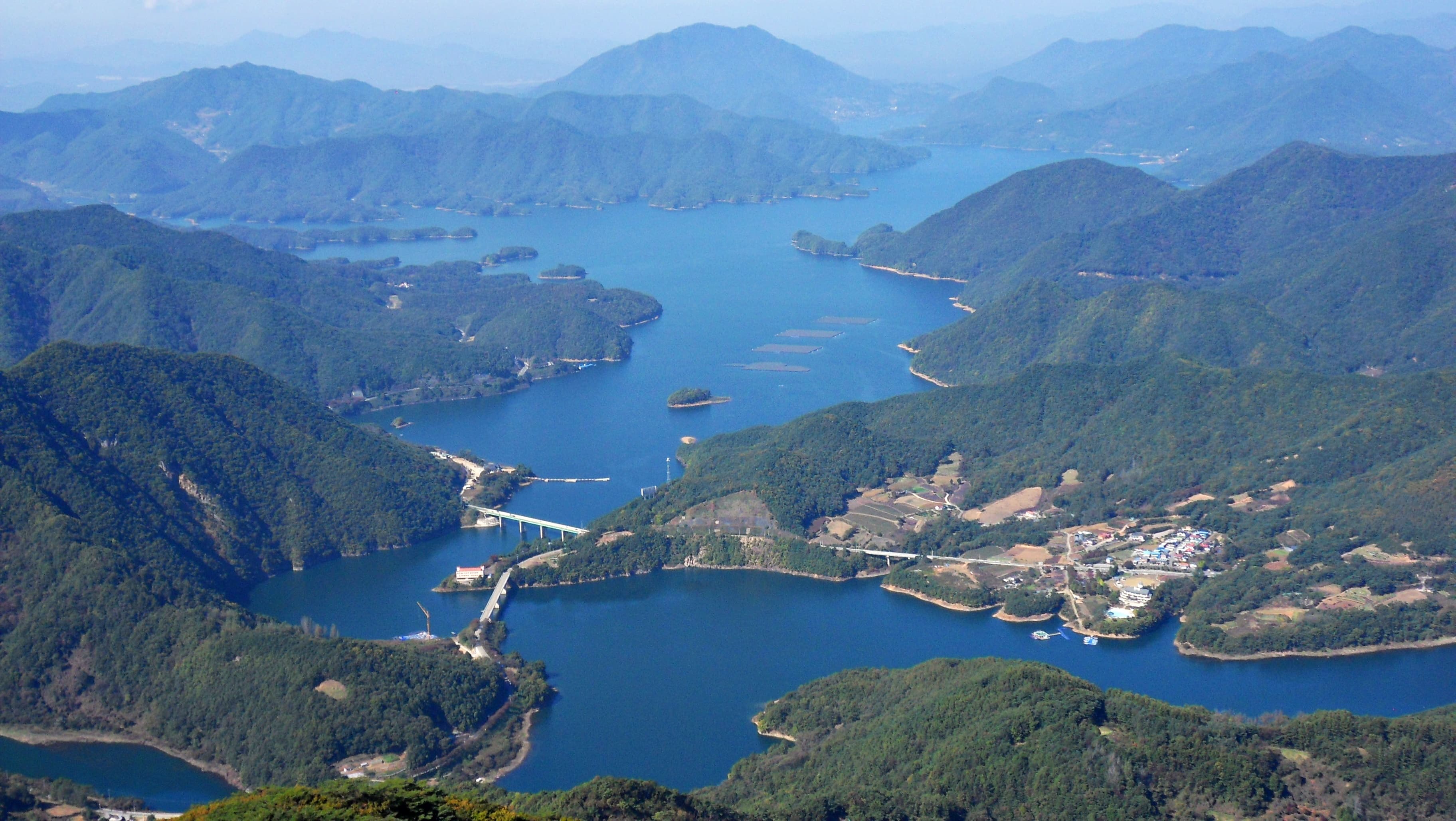
Opening image
Chungju at a glance
Surrounded by calm waters and lush landscapes, Chungju is a hidden gem for relaxation and natural beauty.
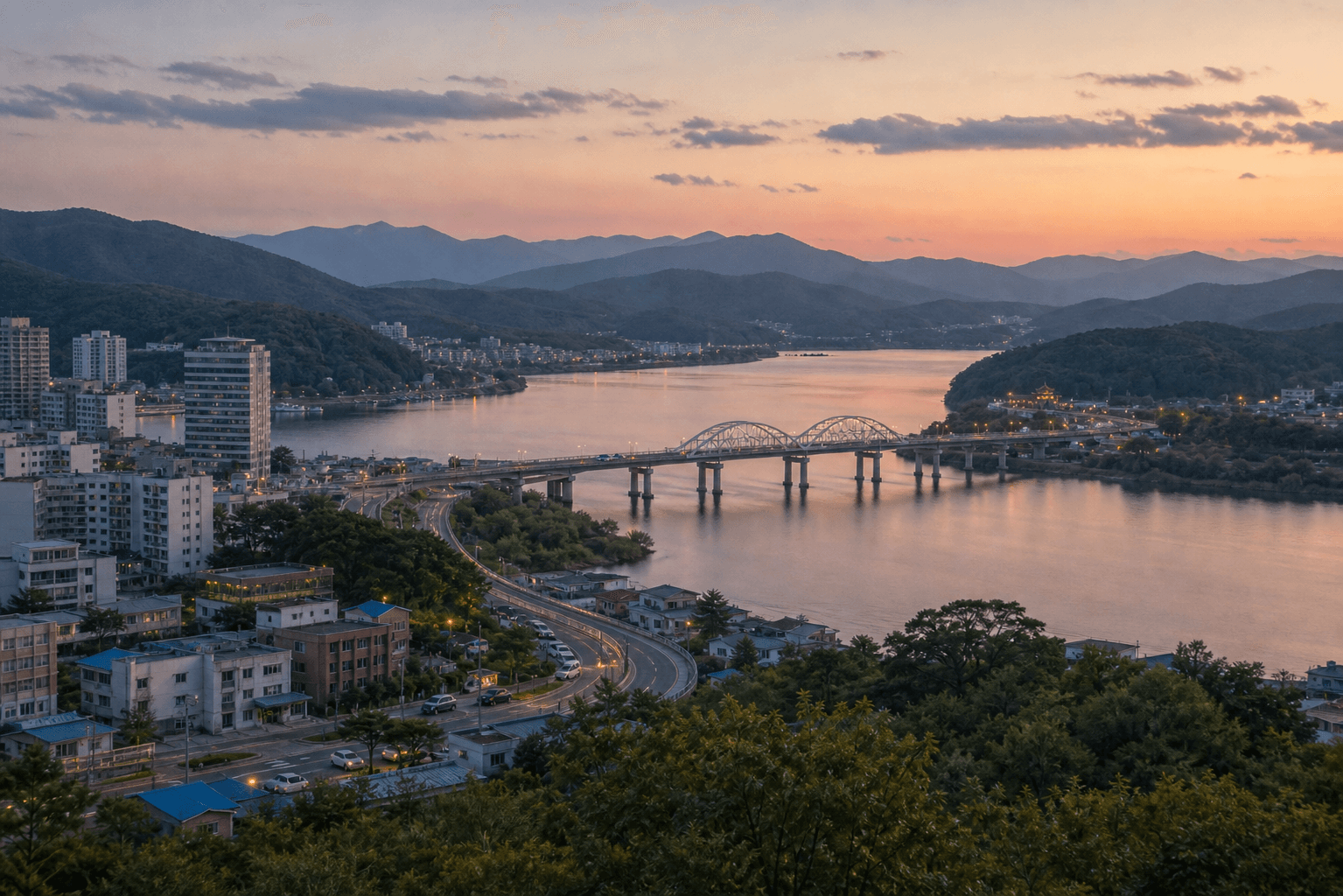
Recovery mood
Suanbo should feel warm before it feels efficient
Suanbo is useful because it is an actual recovery town in the mountains, not just a hotel cluster. Even before you choose a bath or a room, the terrain itself signals a slower reset.
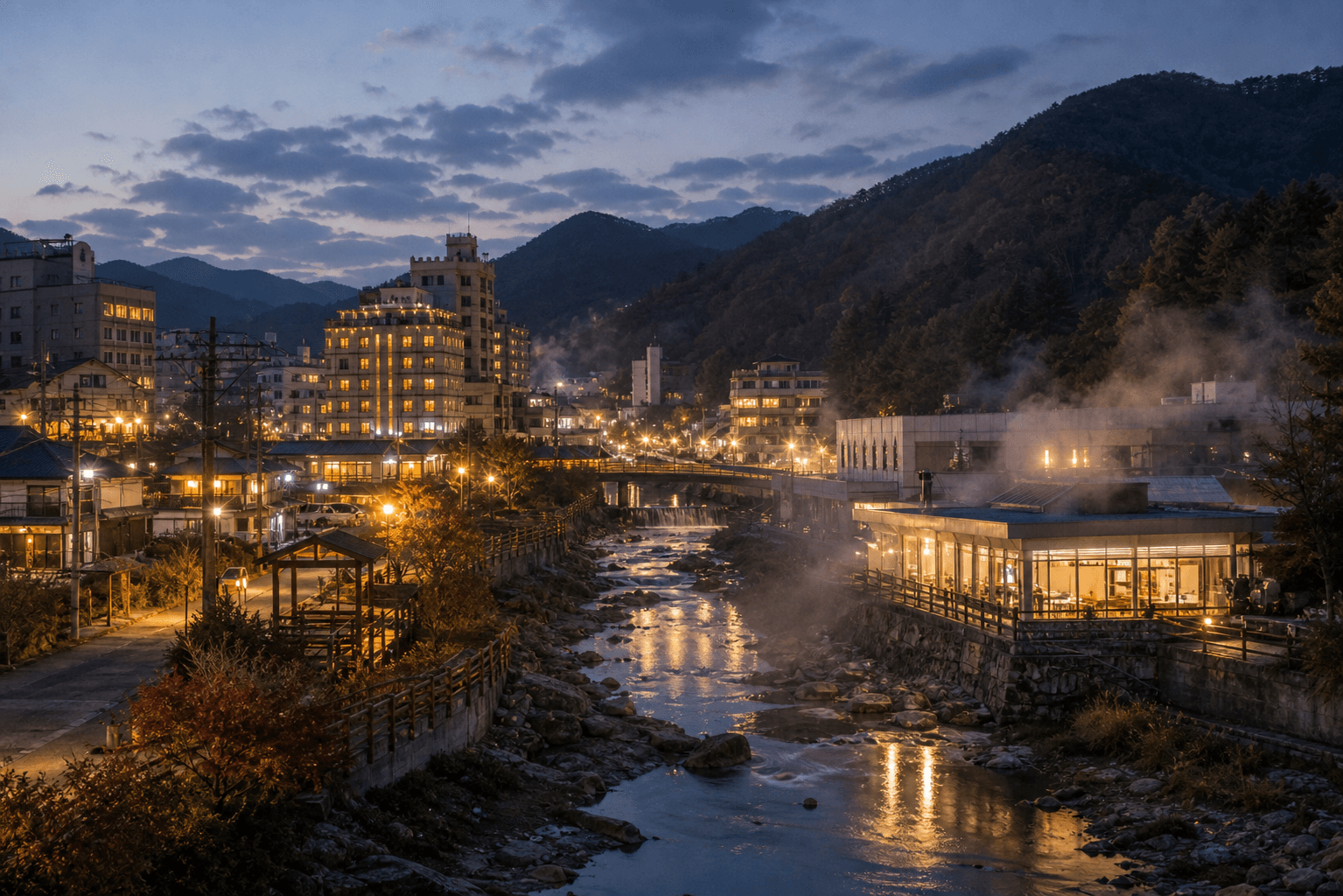
Route atmosphere
Riverside night gives the stop emotional weight
Chungju reads better as part of a journey when the page shows its real inland texture. The value is not spectacle alone, but the feeling of entering a slower mountain-and-water chapter.
From Seoul
How to reach Chungju without overcomplicating the route.
Best Choice
Intercity bus or regional rail
Bus works when budget matters more than shaving every hour off the route.
Travel Window
About 1.5 to 2 hours
A direct coach can feel easier than stacking multiple local transfers, especially with luggage.
Slow Travel Note
Use it when the trip is intentionally slower and cost-aware from the start.
Local Support Map
Where Chungju becomes useful on the route
This is not a sightseeing map. It is a support map for deciding where to recover, where to sleep, and where to stage the next push toward Mungyeong Saejae.
Terminal-side stay grid
The most practical lodging cluster if you are arriving late or want to keep bus and taxi access easy.
Tangeumdae riverside checkpoint
A useful riverside orientation point for cyclists and anyone trying to read the city through its slower outdoor edge.
Suanbo hot-spring belt
The recovery-heavy side of Chungju, with hot-spring hotels and baths that justify staying rather than only passing through.
Suanbo hotel strip
A concentrated stay area where accommodation and bath culture sit close together.
Suanbo meal zone
A practical area for warm evening meals and a straightforward breakfast before heading toward the pass country.
Southbound departure line
A directional marker showing the route tightening toward the Mungyeong side rather than drifting back toward the wider city grid.
Cycling certification-center zone
A small but meaningful rider landmark that reinforces Chungju's role inside long inland cycling lines.
Suanbo entry footbath zone
A lighter recovery touchpoint near the entrance to the hot-spring area that helps the district read as a true recovery town.
Route Role
On a Seoul-to-Busan inland line, Chungju is where the route stops feeling like a loose extension of the capital. It becomes a place to reset the body, simplify the overnight, and prepare for a more meaningful terrain shift.
Support Summary
Chungju works best as a recovery node. The city center keeps transit and practical lodging easy, while Suanbo gives the route a more deliberate hot-spring overnight before the pass-country chapter.
Past and Present
Chungju matters because its older story and present life both change how this route feels.
Historical Weight
Chungju has long mattered because Korea moves through its interior, not only around its coasts. Rivers, lake country, hot-spring movement, and mountain approaches made the city useful as a place of passage, regrouping, and recovery before harder terrain.
Modern Identity
Today Chungju reads as a calmer inland city with lakeside outdoor travel, Suanbo recovery culture, and practical services that make the stop feel useful without needing big-city spectacle. Its present value is quiet function with enough atmosphere to justify a night.
Route Meaning
On Route 1, Chungju is the place where the trip stops feeling like an extension of greater Seoul and starts becoming inland Korea. It prepares the body and the route for Mungyeong, pass country, and a more authored southbound sequence.
Stay Logic
If you want the easiest overnight, keep the terminal-side city grid. If you want the route logic to feel stronger, move south into the Suanbo hot-spring belt and treat it as a recovery-led stay.
Food Logic
Food here is less about headline dining and more about function: warm soups, hearty evening meals, and a clean breakfast before an early departure or a harder cycling day.
Next Leg
After Chungju, the route can commit. The next chapter points toward Mungyeong Saejae, inland climbing logic, and a trip that feels authored instead of simply transferred.
Where To Stay
Choose the stay zone that matches the route you want tomorrow.
These zones are not generic hotel advice. They are the clearest overnight shapes for keeping this stop aligned with the rest of Route 1.
Keep the terminal-side grid
Best For
Late arrivals, transit users, and low-friction overnights.
This is the most practical sleep decision when you want a stable night and an easy departure instead of a fully recovery-led detour.
Move down to Suanbo
Best For
Cyclists, inland drivers, and travelers who want the overnight itself to repair the route.
Suanbo works because accommodation, baths, and recovery mood all line up with the next day's terrain demands.
Stay Planning Fit
Where to stay in Chungju depends on what the next leg needs.
Strongest stay-planning angle: one practical city-core stay group and one recovery-led Suanbo stay group.
Stay planning
Sleep in Chungju
If this stop becomes an overnight, compare a couple of booking platforms before you lock it in. Route logic gets better when the right city earns a real stay.
Decision Pattern
Keep the city core
Late arrivals, transit users, and travelers who want the least friction.
The terminal-side grid keeps lodging and departures easy. It is the right call when the stop is practical first and restorative second.
Decision Pattern
Sleep in Suanbo
Cyclists, inland drivers, and anyone building the route around recovery.
Suanbo makes the overnight feel intentional. Hot-spring access, concentrated lodging, and warm-food timing all support the next day better than a purely functional city stay.
Decision Pattern
Touch Tangeumdae before leaving
Travelers who want one grounded local read without turning Chungju into a full sightseeing chapter.
Tangeumdae helps the stop feel rooted in place. It is a good short checkpoint when you want the city to register as more than a bed between transfers.
Suanbo should feel warm before it feels efficient
Suanbo is useful because it is an actual recovery town in the mountains, not just a hotel cluster. Even before you choose a bath or a room, the terrain itself signals a slower reset.
Internal · Generated route editorial imageRiverside night gives the stop emotional weight
Chungju reads better as part of a journey when the page shows its real inland texture. The value is not spectacle alone, but the feeling of entering a slower mountain-and-water chapter.
Internal · Generated route editorial image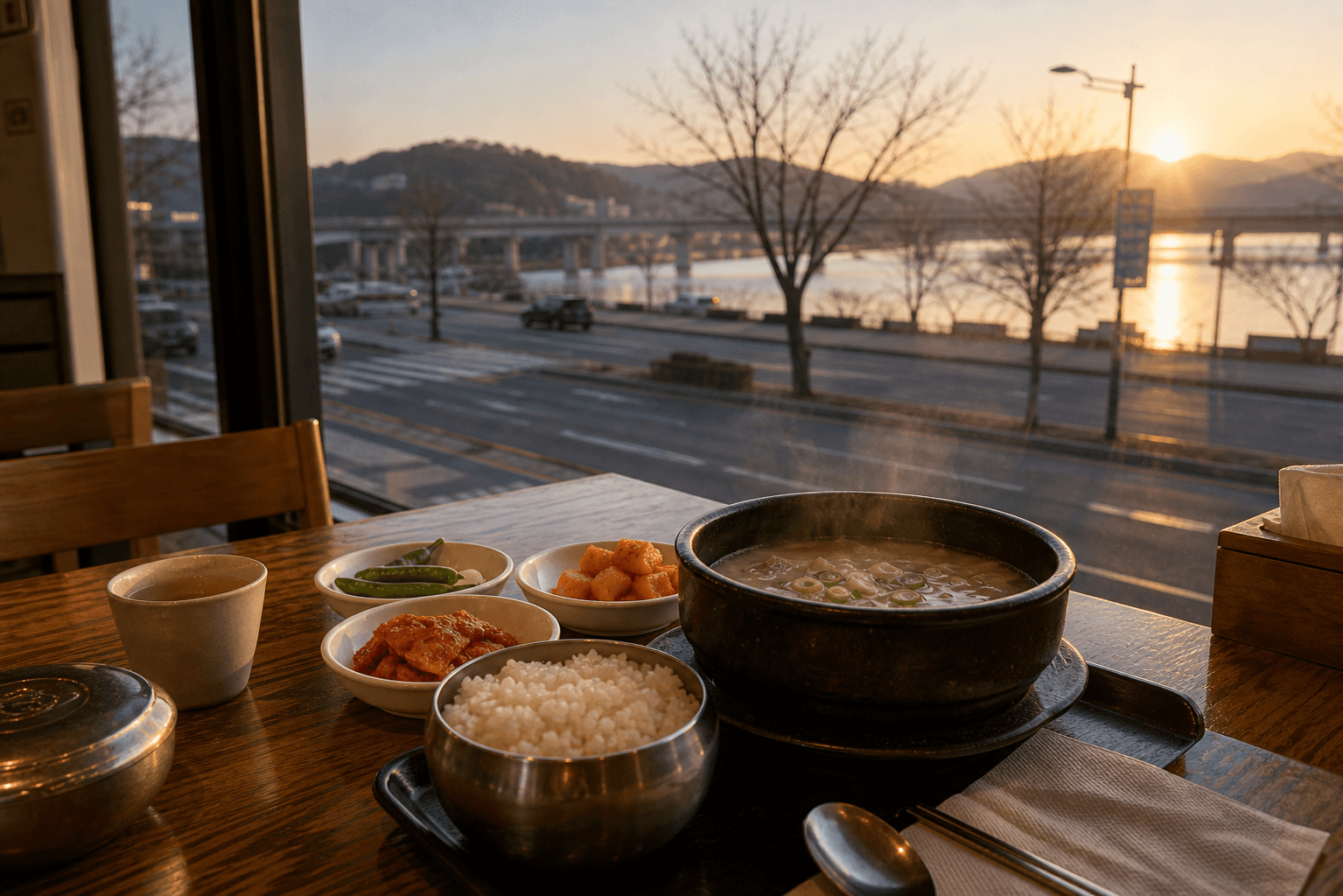
Lake-and-fortress imagery explains why this is not just a transit town
If the city needs one visual argument, it is this inland breadth. The stop works because it feels spatially different from Seoul before the route narrows again.
Internal · Generated route editorial image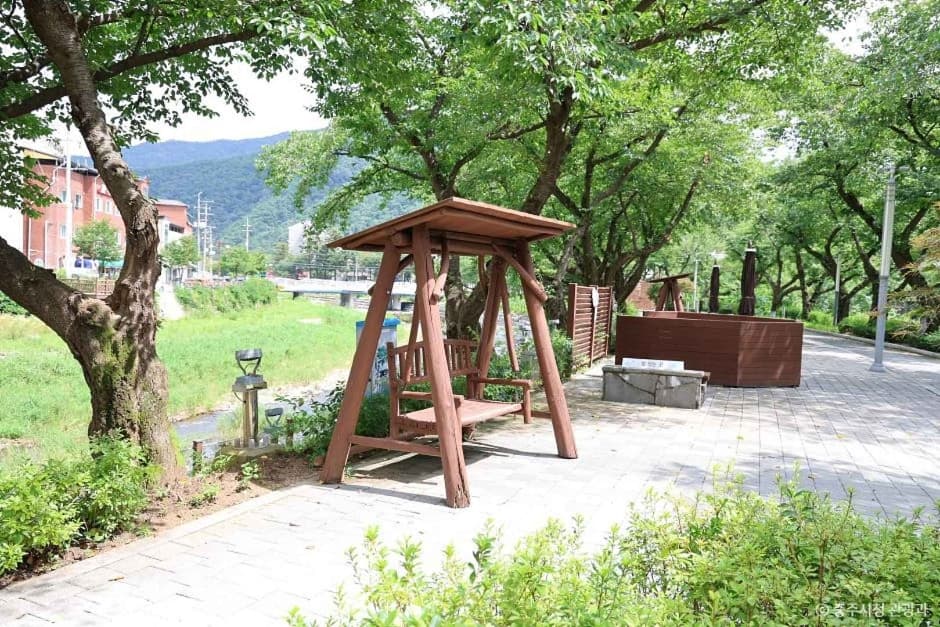
Suanbo footbath is the clearest recovery proof point
This is the most direct official image for the recovery logic on this page. It shows why Suanbo is more than a generic inland overnight: the stop is built around warm-reset culture.
Korea Tourism Organization says its tourism OpenAPI provides only information selected for free use without copyright restrictions.
KTO Open API · VisitKorea tourism data page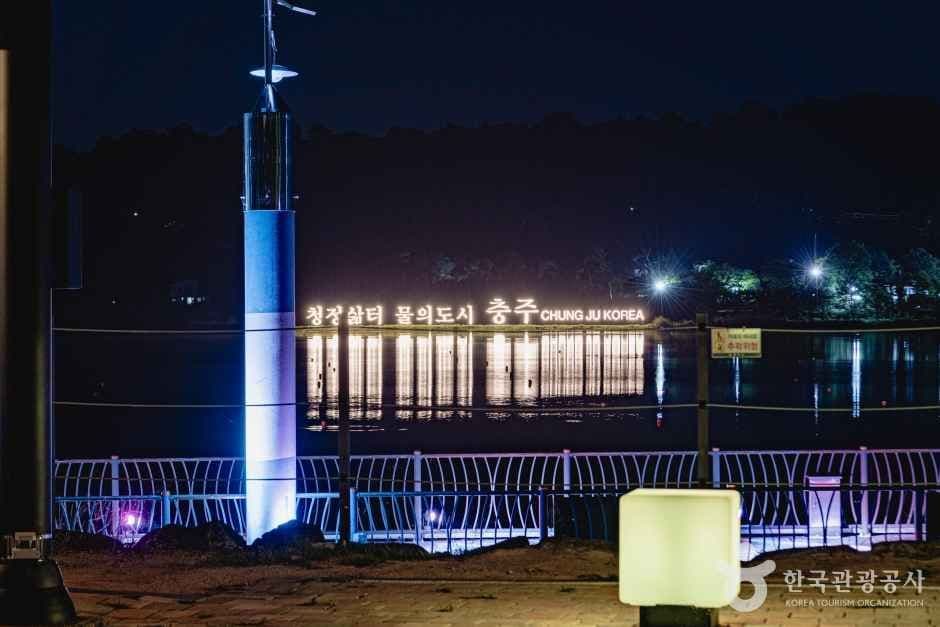
Tangeumho gives Chungju a slower outdoor edge
This official lakeside image supports the second half of the Chungju story: not just baths and sleep, but a calmer waterside chapter that lets the city register before the route tightens again.
Best treated as a directly credited tourism-data image rather than a decorative generic hero. Keep the source link visible.
KTO Open API · VisitKorea tourism data pageImage Pipeline
Every image slot has a production purpose.
hero
publish-ready
Lake and fortress identity for the city hero.
history
publish-ready
Lake, fortress, and inland-route memory.
present
publish-ready
Riverside and local present-day stopover mood.
route
publish-ready
Recovery route cue before Mungyeong pass country.
street
publish-ready
Suanbo footbath as street-level recovery proof.
Local Reading
Why Chungju earns a night
Chungju makes sense when the route needs an actual reset instead of another coffee stop. It gives you enough city infrastructure to keep the overnight easy, but it also has a second layer in Suanbo where recovery becomes the whole point.
Local Reading
Why the map should stay local
A Seoul-to-Chungju line tells you how to arrive, but not how to use the city. The real decision is whether you sleep in the practical city core, ride or drive down to Suanbo, or linger near Tangeumdae and the riverside cycling corridor before pushing south.
Local Reading
What changes after Chungju
This is the last place on the inland rhythm where recovery can still feel comfortable and optional. Once you leave, the route starts reading more like a crossing: narrower decisions, more terrain awareness, and a stronger commitment to the southbound line.
Local Reading
Why Suanbo matters more than a spa detour
Suanbo is useful because it turns recovery into route logic. The hot-spring district gives Chungju a reason to hold an overnight that actively improves the next chapter instead of merely slowing the trip down.
Local Reading
Why cyclists read Chungju differently
For riders, Chungju is not just another inland city. Tangeumdae, the certification-center logic, and the move toward Suanbo make it one of the first places where recovery, route identity, and the next day's legs all intersect.
Local Reading
How to keep the stop from feeling vague
The city gets stronger when you choose a zone on purpose. Terminal-side Chungju is about convenience, Tangeumdae is about orientation, and Suanbo is about recovery. Once those are separated, the stop becomes easier to plan and easier to explain.
Terminal-side stay grid
The most practical lodging cluster if you are arriving late or want to keep bus and taxi access easy.
Use this area when the stop is mainly about convenience, a stable bed, and a fast departure the next morning.
Tangeumdae riverside checkpoint
A useful riverside orientation point for cyclists and anyone trying to read the city through its slower outdoor edge.
This is where the route starts feeling less like traffic management and more like an inland travel chapter.
Suanbo hot-spring belt
The recovery-heavy side of Chungju, with hot-spring hotels and baths that justify staying rather than only passing through.
Best for riders, inland drivers, and anyone who wants the overnight to actively improve the next day.
Suanbo hotel strip
A concentrated stay area where accommodation and bath culture sit close together.
Treat this as the strongest overnight zone when the point is recovery, not urban exploration.
Suanbo meal zone
A practical area for warm evening meals and a straightforward breakfast before heading toward the pass country.
The value here is timing and function: eat well, rest well, and leave with better legs.
Southbound departure line
A directional marker showing the route tightening toward the Mungyeong side rather than drifting back toward the wider city grid.
Think of this as the handoff from easy reset territory into a more committed inland crossing.
Cycling certification-center zone
A small but meaningful rider landmark that reinforces Chungju's role inside long inland cycling lines.
Useful when the page should speak to how cyclists actually experience the stop, not just how drivers pass through it.
Suanbo entry footbath zone
A lighter recovery touchpoint near the entrance to the hot-spring area that helps the district read as a true recovery town.
Even when you are not booking a long bath session, this area explains why Suanbo feels designed around warm reset culture.
Trip Questions
What travelers usually mean when they search for Chungju.
Chungju Korea inland route stop between Seoul and Mungyeong
Route intent
Discovery intent
Stay intent
Is Chungju worth stopping at between Seoul and Busan?
Yes, especially on an inland route. Chungju gives the trip lake scenery, Suanbo hot-spring recovery, and a calmer reset before Mungyeong pass country.
What makes Chungju different from a simple transfer city?
Chungju works because it combines practical route timing with lake, river, hot-spring, and mountain-edge identity.
Cultural Insight
What makes Chungju feel worth the move from Seoul.
The tranquil waters of Chungju inspire a slower pace of life, reflecting the harmonious balance of Korea's inland beauty. From misty morning lakes to quiet forest trails, Chungju offers a perfect sanctuary for those seeking stillness.
Key Districts
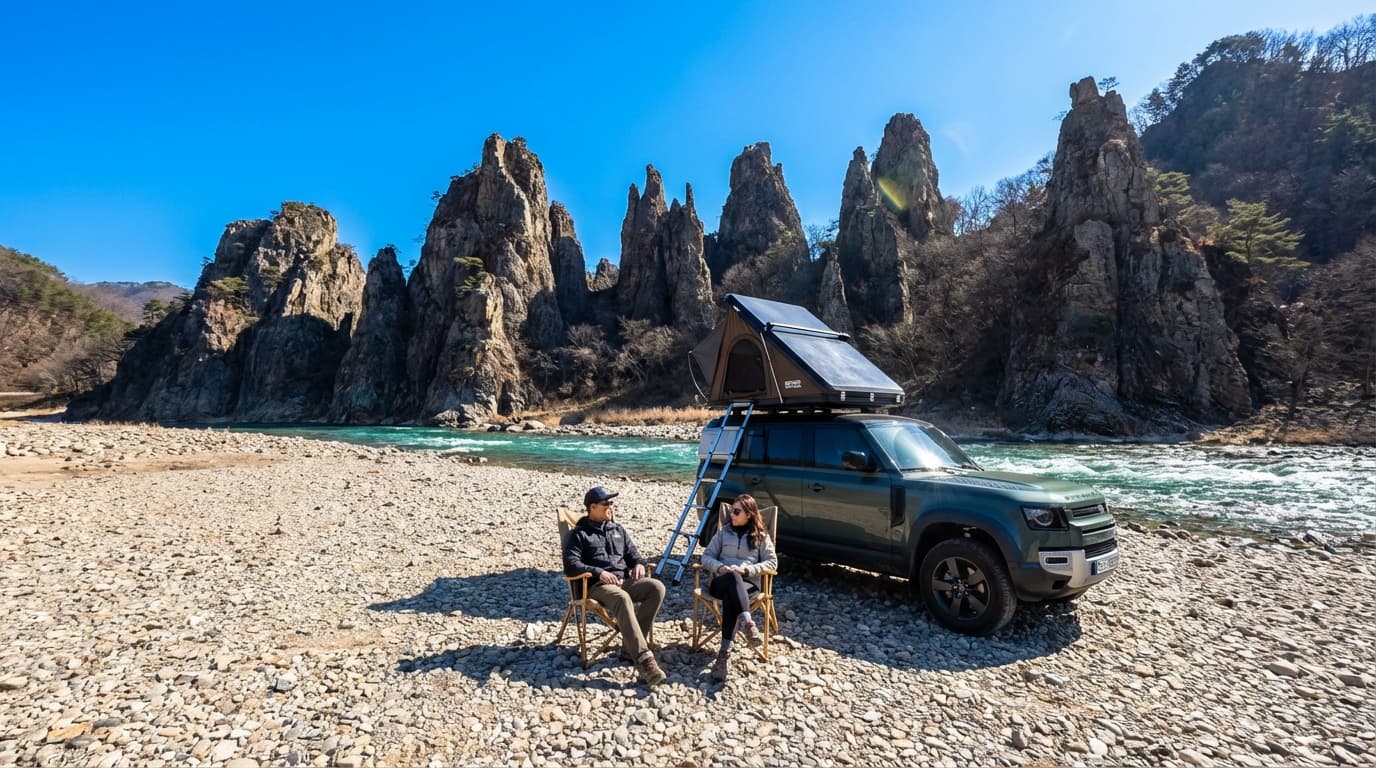
Chungju
Beautiful Chungju view.